
Digestive Health Tips for Indians in Hyderabad
By Admin | 2026-03-16
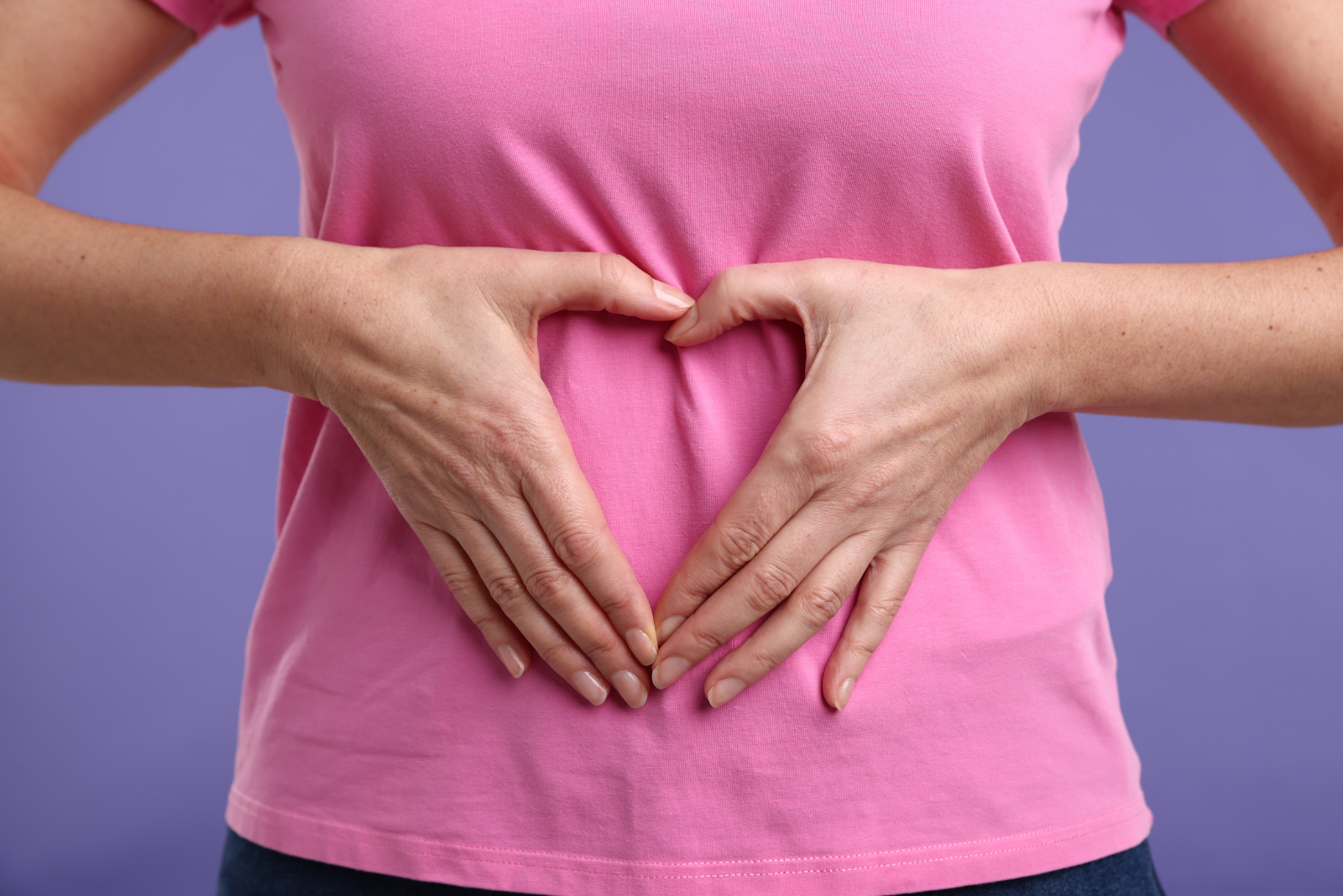
India has one of the world's most celebrated culinary traditions rich, spiced, diverse, and deeply rooted in centuries of cultural wisdom about food and health. Yet paradoxically, digestive disorders are among the most common health complaints across India, and their prevalence in urban centers like Hyderabad is rising rapidly.
Acid reflux, constipation, bloating, fatty liver, IBS, and increasingly, IBD and colon polyps these are not just inevitable facts of life. In many cases, they are the result of lifestyle choices that can be changed.
At KIMS Advanced Gastroenterology & Endoscopy KAGE, at KIMS Hospitals Secunderabad, Hyderabad, our team of specialist gastroenterologists led by Dr. Sreekanth Appasani regularly see the difference that the right dietary and lifestyle habits make to digestive health outcomes. This practical guide delivers evidence-based digestive health tips tailored specifically for Indians living in Hyderabad combining the wisdom of traditional Indian dietary practices with modern gastroenterological science.
Why Are Digestive Disorders Rising in Urban India?
Understanding the drivers of India's digestive health crisis is the first step to reversing it:
- Shift from traditional high-fibre Indian diets to processed, refined, low-fibre foods
- Sedentary desk-based jobs replacing the physical activity of previous generations
- Rising obesity and metabolic syndrome fueling fatty liver, GERD, and gallstone disease
- Increasing alcohol consumption in urban populations a major driver of liver disease
- Chronic psychological stress disrupting gut-brain axis and worsening IBS and motility disorders
- Overuse of NSAIDs and antibiotics damaging the gut lining and disrupting the microbiome
- Late meal timing and large night meals a common urban lifestyle pattern in Hyderabad
- Increasing H. pylori infection and waterborne gut infections in densely populated areas
Top 10 Digestive Health Tips for Indians in Hyderabad
1. Bring Back Traditional Indian Dietary Wisdom
The traditional Indian diet high in fibre from whole grains, lentils, and vegetables; rich in probiotics from curd and fermented foods; seasoned with digestive spices like ginger, turmeric, cumin, and coriander is genuinely protective against digestive disease. The shift to maida-based breads, sugary beverages, and processed snacks has driven much of the current digestive health crisis. Returning to dal-rice, ragi, idli-sambar, sabzi-roti with plenty of vegetables, and fresh curd is one of the most powerful digestive health interventions available to Indians.
2. Eat More Fibre Daily
Dietary fibre is the single most important nutrient for colon health, constipation prevention, and gut microbiome diversity. Most urban Indians consume significantly less fibre than recommended (25–38 grams per day). Best fibre sources from the Indian kitchen: whole wheat roti over maida, ragi (finger millet), oats, all varieties of dal, rajma, chana, fruits with skin (guava, pears, apples), and leafy vegetables. Increasing fibre intake gradually with adequate water is the most natural and effective treatment for constipation.
3. Stay Well Hydrated Especially in Hyderabad's Climate
Dehydration is a major contributor to constipation, kidney stones, and urinary tract infections. In Hyderabad's hot climate, water needs are higher than temperate regions. Aim for 8–10 glasses of water daily more in summer. Indian hydration-friendly options: coconut water, nimbu pani (without excess sugar), chaas (buttermilk), and warm water with a squeeze of lemon in the morning to stimulate gut motility.
4. Limit Spicy, Oily, and Deep-Fried Foods
While Indian spices in moderate amounts have proven digestive benefits (ginger, turmeric, cumin, fennel), excessively spicy and deep-fried foods significantly worsen GERD, gastritis, IBS, and biliary disease. In Hyderabad where the cuisine is naturally spicy and oily reducing the frequency of very spicy meals, replacing deep frying with baking or air-frying, and using minimal oil in daily cooking are meaningful, practical changes.
5. Never Skip Breakfast and Avoid Late Heavy Dinners
The timing of meals profoundly affects digestive health. Skipping breakfast impairs gallbladder emptying (increasing gallstone risk), destabilizes blood sugar, and leads to compensatory overeating at dinner. Late, heavy dinners a common pattern in urban Hyderabad remain in the stomach for hours, promoting acid reflux, disrupting sleep, and worsening fatty liver. Aim to finish your last meal 3 hours before bedtime, keep dinner light, and eat a nutritious breakfast.
6. Include Probiotics and Fermented Foods Daily
The gut microbiome the community of hundreds of trillions of bacteria living in your colon is now recognized as central to digestive health, immune function, mental health, and metabolic disease. Traditional Indian fermented foods naturally support a healthy microbiome: curd (dahi), chaas, idli and dosa batter, kanji (fermented rice water), and homemade pickle in brine. Eating at least one serving of curd or chaas daily is one of the simplest and most culturally natural digestive health habits for Indians.
7. Move Your Body Every Day
Physical activity directly improves gut motility, reduces constipation, lowers the risk of colon cancer, reduces fatty liver severity, and reduces GERD symptoms by supporting a healthy body weight. India's obesity epidemic particularly in urban centers like Hyderabad is the single biggest driver of fatty liver, metabolic syndrome, gallstones, and GERD. Aim for at least 150 minutes of moderate activity per week: brisk walking, cycling, swimming, or yoga. Even a 20-minute after-dinner walk significantly improves gastric emptying and reduces acid reflux.
8. Manage Stress Actively
Chronic stress is one of the most underappreciated causes of digestive disease. The gut-brain axis is a bidirectional communication system stress worsens IBS, GERD, gastritis, and impairs gut healing. In Hyderabad's high-pressure professional and academic environment, stress management is not a luxury it is a digestive health necessity. Practical tools: yoga and pranayama (recognized by gastroenterological research for their IBS and GERD benefits), mindfulness meditation, regular sleep, and professional psychological support when needed.
9. Limit Alcohol and Stop Smoking
Alcohol is a direct hepatotoxin even moderate, regular consumption causes fatty liver and increases the risk of cirrhosis, pancreatitis, and esophageal cancer. Smoking is a major risk factor for peptic ulcer disease, GERD, esophageal and gastric cancer, and Crohn's disease. Limiting alcohol to occasional, modest quantities or eliminating it entirely and stopping smoking are among the most impactful digestive health decisions an individual can make. KAGE's dedicated Alcohol Clinic at KIMS Hospitals provides structured support for alcohol-related liver and GI conditions.
The most important digestive health decision is knowing when self-management is not enough. See a gastroenterologist at KIMS Advanced Gastroenterology & Endoscopy KAGE, Hyderabad, if you experience: persistent heartburn not responding to antacids; change in bowel habits lasting more than 4 weeks; rectal bleeding; unexplained weight loss; swallowing difficulty; persistent abdominal pain; or jaundice. And even if you have no symptoms if you are over 45, have a family history of colon cancer, or have obesity, diabetes, or a history of alcohol use a preventive gastroenterology review at KAGE is one of the most proactive investments in your health.
Digestive Superfoods from the Indian Kitchen
These Indian foods have specific, evidence-based digestive health benefits:
- Turmeric (haldi): Curcumin is a powerful anti-inflammatory reduces gut inflammation, protects liver cells, and has emerging evidence in IBD and IBS management.
- Ginger (adrak): Promotes gastric emptying, reduces nausea, and has prokinetic effects beneficial in GERD and gastroparesis.
- Cumin (jeera): Jeera water stimulates digestive enzyme secretion and reduces bloating and gas.
- Fennel (saunf): A natural carminative reduces post-meal gas and bloating; why it is traditionally offered after meals in India.
- Curd (dahi): Probiotic supports gut microbiome diversity, reduces IBS symptoms, and protects against infectious diarrhea.
- Amla (Indian gooseberry): Exceptionally high in vitamin C and antioxidants supports gut lining integrity and liver health.
- Ragi (finger millet): Rich in dietary fibre, calcium, and iron supports regular bowel movements and colon health.
- Moringa (drumstick leaves): Hepatoprotective and anti-inflammatory supports liver health.
- Rectal bleeding or blood in the stool at any age
- Persistent change in bowel habits (frequency, consistency) for more than 4 weeks
- Difficulty swallowing solid or liquid food
- Unexplained significant weight loss
- Persistent abdominal pain especially if worsening
- Jaundice yellowing of eyes or skin
- Persistent vomiting
- Symptoms that significantly disrupt daily life or sleep
These symptoms deserve same-week evaluation not next month. Call KAGE at KIMS Hospitals, Secunderabad today.
Conclusion
Ready to take control of your digestive health? Book a consultation at KAGE — KIMS Advanced Gastroenterology & Endoscopy, Secunderabad. Call: +91-7288842255
Frequently Asked Questions
The most frequently seen digestive conditions at KAGE, KIMS Hospitals Secunderabad, include GERD and acid reflux (worsened by spicy Hyderabadi cuisine), fatty liver disease (driven by urban lifestyle changes, diabetes, and obesity), gallstones, IBS, constipation, H. pylori-related gastritis, and increasingly, IBD. Rectal bleeding from hemorrhoids is also extremely common and frequently under-investigated. The good news: all of these conditions have effective treatments at KAGE.
Waterborne gut infections including giardia, Entamoeba, typhoid, and viral gastroenteritis are endemic in many parts of Hyderabad due to water supply challenges. Drinking filtered or boiled water, avoiding raw salads and cut fruits from street vendors, and practicing careful hand hygiene are essential for gut health in Hyderabad. Post-infectious IBS developing after a bout of gastroenteritis is a recognized trigger for IBS that KAGE gastroenterologists manage regularly.
Hyderabadi cuisine is characterized by rich, slow-cooked dishes with intense spice profiles biryani, nihari, haleem, and various gravies. These foods, in moderate quantities, are not inherently unhealthy. However, large portions, excess oil, late-night eating, and frequent consumption without adequate fibre-rich foods are patterns that promote GERD, biliary disease, fatty liver, and constipation. Balancing Hyderabadi food culture with adequate water, fibre, and physical activity is the key to enjoying the cuisine without the digestive consequences.
For adults over 45 with no digestive symptoms, KAGE recommends a baseline gastroenterological review including liver function tests, ultrasound abdomen, blood sugar, and lipid profile annually or every 2 years. Those with family history of colon cancer, IBD, or liver disease, or those with obesity, diabetes, or alcohol history, should have an earlier and more comprehensive evaluation including colonoscopy and FibroScan. Preventive gastroenterology screening at KAGE, KIMS Hospitals Secunderabad, saves lives.
KAGE KIMS Advanced Gastroenterology & Endoscopy is located at KIMS Hospitals, C/O Gastroenterology Dept, KIMS Hospitals, 1-8-31/1, Minister Road, Secunderabad, Hyderabad – 500003. Available Monday to Saturday, 9:00 AM to 5:30 PM. Call +91-7288842255 or email appointments.kage@gmail.com to book a consultation. Our team of specialist gastroenterologists including Dr. Sreekanth Appasani and colleagues provides comprehensive digestive health evaluations, including endoscopy, colonoscopy, FibroScan, breath tests, and advanced endoscopic procedures. Walk-in and appointment-based consultations are welcome.