
Endoscopy & Colonoscopy: What to Expect During the Procedure
By Admin | 2026-03-18
You need an endoscopy four words that many patients receive with a surge of anxiety, often because they have never had one and do not know what to expect. The same applies to colonoscopy.
These procedures are among the most powerful diagnostic and therapeutic tools in modern medicine capable of detecting cancers, removing polyps before they become cancerous, treating bleeding, and diagnosing conditions ranging from GERD to IBD. Yet unnecessary fear born from misinformation or simply not knowing causes many people to delay or avoid procedures that could save their lives.
This complete patient guide explains exactly what to expect during an endoscopy and colonoscopy at KIMS Advanced Gastroenterology & Endoscopy KAGE, at KIMS Hospitals, Secunderabad, Secunderabad before, during, and after, in honest and reassuring detail. Led by Dr. Sreekanth Appasani with 20+ years of endoscopy expertise, KAGE is Hyderabad's most advanced gastroenterology endoscopy center.
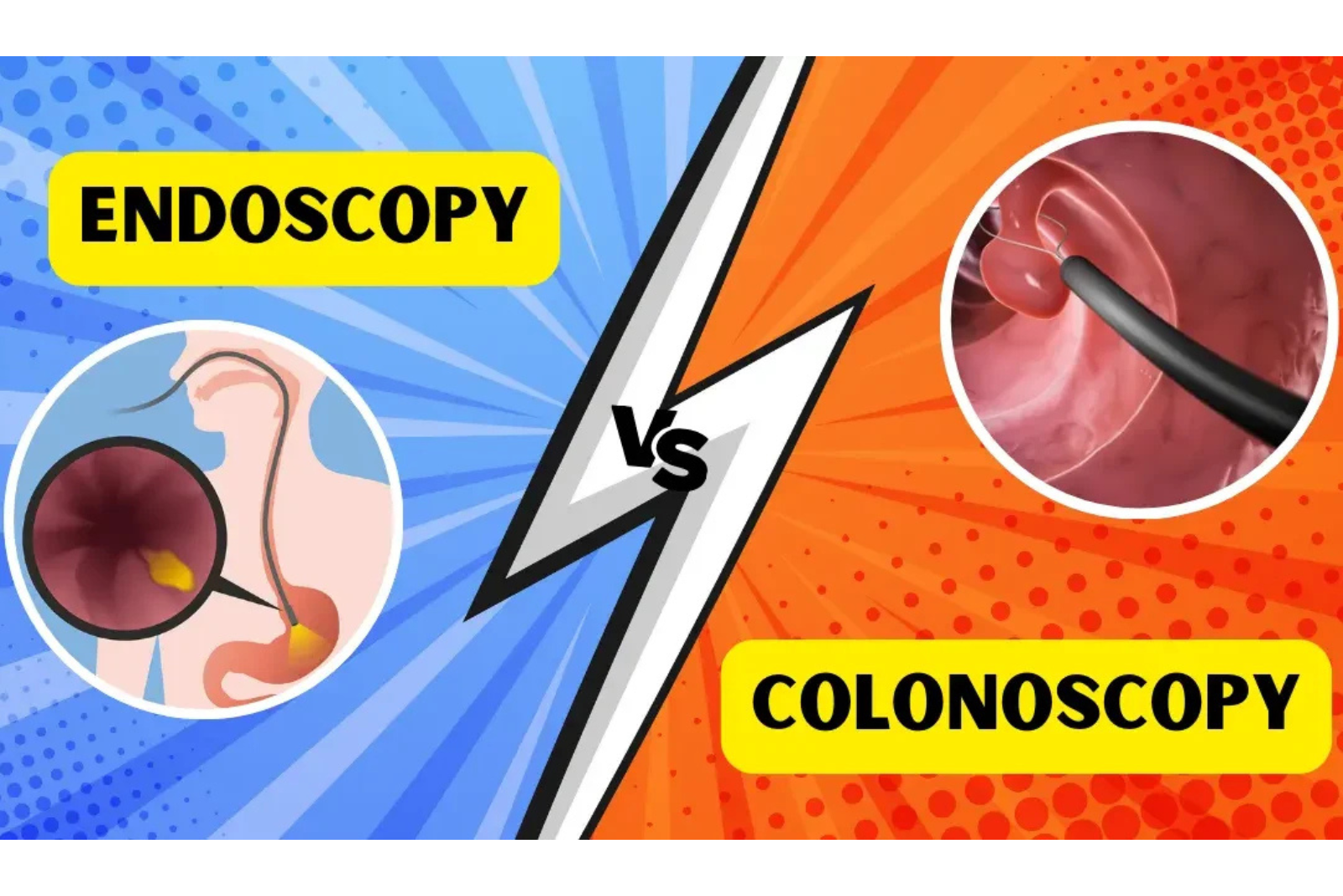
Endoscopy vs Colonoscopy: What is the Difference?
- Upper GI Endoscopy (OGD Scopy / Gastroscopy): Examines the esophagus, stomach, and first part of the small intestine (duodenum). The endoscope is passed through the mouth.
- Colonoscopy: Examines the entire large intestine (colon) and rectum. The colonoscope is passed through the rectum.
- Flexible Sigmoidoscopy: A shorter version of colonoscopy examining only the lower colon and rectum.
Before the Procedure: Preparation at KAGE
Endoscopy Preparation
- Fast for 6–8 hours before the procedure nothing to eat or drink except essential medications with a small sip of water
- Inform KAGE of all medications particularly blood thinners (warfarin, aspirin, clopidogrel) which may need temporary pausing
- Arrange for someone to drive you home if sedation is planned
- Wear comfortable, loose-fitting clothing
- Arrive 30 minutes early for registration and pre-procedure nursing assessment
Colonoscopy Preparation Bowel Prep
- Bowel preparation begins the day before a laxative solution is prescribed to completely cleanse the colon
- Follow a low-fibre diet for 1–2 days before the procedure, then clear fluids only on the day of prep
- Complete the full bowel prep as instructed the quality of bowel preparation directly determines the quality of the colonoscopy
- Stay well hydrated during the prep day drink plenty of clear fluids
- The prep causes watery stools plan to stay home during this period
What Happens at KAGE on the Day of the Procedure
Arrival and Pre-procedure Checks
- Nursing team records vital signs, confirms consent and allergies
- An IV cannula is placed in your arm for sedation or emergency medication
- For endoscopy: a throat spray (local anaesthetic) is applied to reduce gag reflex
- For colonoscopy: you will change into a hospital gown and lie on your left side
Sedation at KAGE
Most endoscopic procedures at KAGE are performed under conscious sedation a combination of a sedative and a mild painkiller that leaves you in a relaxed, drowsy state. You will not be fully asleep (unlike general anaesthesia) but will feel comfortable and unlikely to experience significant pain or anxiety. Most patients have little or no memory of the procedure itself.
During Upper GI Endoscopy (OGD Scopy)
- A mouthguard is placed between your teeth
- The endoscope is gently guided through your mouth, throat, esophagus, and into the stomach and duodenum
- The stomach is gently inflated with air for better visibility
- KAGE uses Olympus X1 HD and Fuji ELUXEO 7000 systems for 4K-equivalent high-definition mucosal imaging
- Biopsies, polyp removal, dilatation, banding, or other therapeutic interventions are performed at this stage if required
- Duration: 10–20 minutes for diagnostic; 20–60 minutes for therapeutic procedures
During Colonoscopy
- The colonoscope is gently guided through the rectum around the entire colon to the cecum
- Any polyps found are removed immediately (polypectomy) using standard snare or advanced EMR/ESD techniques at KAGE
- Biopsies are taken from any suspicious or inflamed areas
- Duration: 20–45 minutes for diagnostic; longer if polypectomy or other interventions are needed
After the Procedure: Recovery at KAGE
Seek immediate medical attention after the procedure if you experience: severe abdominal pain, rectal bleeding more than a tablespoon, fever above 38°C, or chest pain.
- Recovery in the KAGE recovery area: 30–60 minutes
- Your endoscopist discusses findings with you immediately after the procedure
- Biopsy or tissue results are available in 3–7 days
- Mild throat soreness (endoscopy) or mild bloating (colonoscopy) are normal and temporary
- Soft food and liquids after endoscopy once the throat numbing resolves (1–2 hours); light meals after colonoscopy
- No driving for 24 hours if sedation was used
- Return to normal activities the following day in most cases
Conclusion
Book your endoscopy or colonoscopy at KAGE — Hyderabad's most advanced endoscopy center. KIMS Hospitals, Secunderabad. Call: +91-7288842255
Frequently Asked Questions
Most patients at KAGE report little to no pain during endoscopy under conscious sedation. The throat spray reduces the gag reflex and sedation provides relaxation and comfort. Mild throat soreness afterward is common like post-tonsillitis soreness and resolves within 24–48 hours.
The bowel prep solution is typically taken the evening before and/or the morning of the colonoscopy spread over 2–4 hours each time. The process takes approximately 4–6 hours in total, during which you will pass watery stools repeatedly. It is the most inconvenient part of colonoscopy but essential for a clear view. KAGE provides detailed, easy-to-follow prep instructions at the time of booking.
No, you must fast before colonoscopy. A low-fibre diet is followed for 1–2 days beforehand, then clear fluids only on the day of bowel prep. Do not eat solid food or drink anything except water and prescribed clear fluids on the day before colonoscopy.
Upper GI endoscopy can detect esophagitis, GERD damage, Barrett's esophagus, peptic ulcers, gastritis, H. pylori infection, esophageal and gastric polyps, early tumors, and celiac disease changes. Colonoscopy can detect colorectal polyps (pre-cancerous), colorectal cancer, IBD (Crohn's and ulcerative colitis), diverticular disease, and microscopic colitis.
Call +91-7288842255 or email appointments.kage@gmail.com. C/O Gastroenterology Dept, KIMS Hospitals, 1-8-31/1, Minister Road, Secunderabad, Hyderabad – 500003. Open Monday to Saturday, 9:00 AM to 5:30 PM. KAGE offers prompt appointments for both diagnostic and therapeutic endoscopic procedures.