
How to Keep Your Liver Healthy After 30
By Admin | 2026-03-18
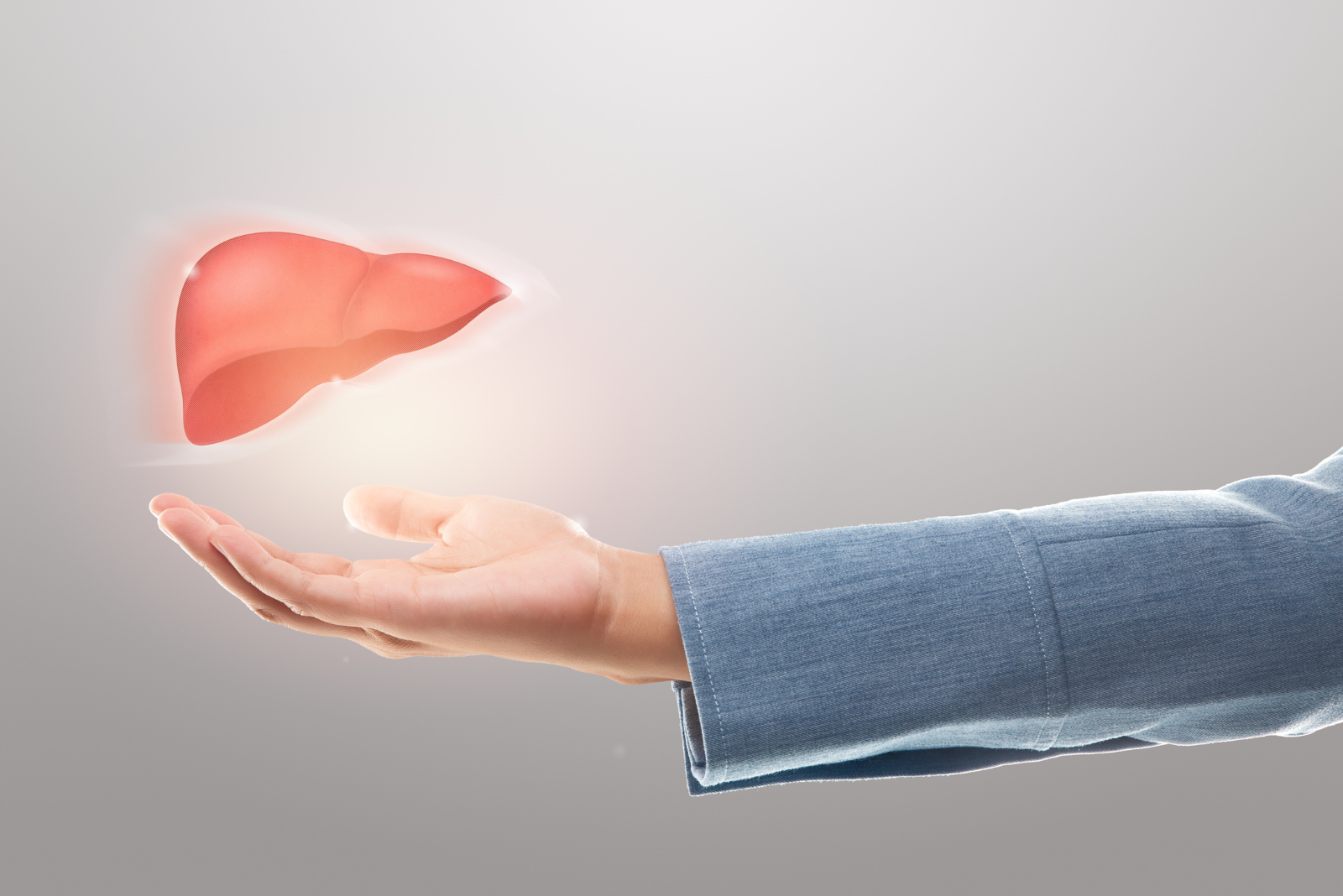
After the age of 30, the human body undergoes subtle but significant metabolic shifts metabolism slows, visceral fat accumulates more readily, insulin sensitivity begins to decline, and the liver quietly begins to bear the cumulative weight of lifestyle choices made over the preceding decade.
In India, the age of 30 is when fatty liver disease, elevated liver enzymes, and early metabolic syndrome most commonly begin to emerge often detected incidentally on a routine health checkup, often in people who feel entirely well. The good news is that 30 is precisely the right age to take liver health seriously early enough to prevent significant damage and still young enough to reverse early changes.
At KIMS Advanced Gastroenterology & Endoscopy KAGE, at KIMS Hospitals, Secunderabad, Hyderabad, our hepatology specialists led by Dr. Sreekanth Appasani provide expert guidance on protecting liver health for the long term. This guide delivers actionable, evidence-based advice for keeping your liver healthy after 30, using the reality of Indian lifestyle and cuisine.
Why the Liver Becomes More Vulnerable After 30
- Metabolic rate declines the same diet that maintained healthy weight at 25 leads to weight gain at 32
- Insulin resistance begins to emerge the precursor to fatty liver and Type 2 diabetes
- Cumulative effects of alcohol from the 20s begin to manifest in liver enzyme elevations
- Visceral (abdominal) fat accumulates and becomes metabolically active, driving liver inflammation
- Work and family pressures reduce exercise time and increase stress
- Sleep quality declines poor sleep directly impairs liver fat metabolism
10 Evidence-Based Tips to Keep Your Liver Healthy After 30
1. Achieve and Maintain a Healthy Body Weight
Obesity is the single most powerful modifiable risk factor for NAFLD. Even a 7–10% reduction in body weight in overweight individuals significantly reduces liver fat, normalizes liver enzymes, and reduces inflammation. The goal is not crash dieting which paradoxically worsens liver fat but sustainable, moderate caloric reduction combined with exercise.
2. Follow a Liver-Friendly Indian Diet
The ideal diet for liver health draws on the best of traditional Indian cooking: ragi, oats, and brown rice over white rice and maida; plenty of dal and legumes for protein without saturated fat; leafy greens (palak, methi, moringa) for antioxidants and iron; fresh fruits rich in vitamin C (amla, guava); walnuts and flaxseeds for omega-3; and liberal use of turmeric, which has curcumin a potent hepatoprotective anti-inflammatory compound.
3. Limit Alcohol Strictly
After 30, when metabolic vulnerabilities increase, the liver becomes less efficient at metabolizing alcohol. Even moderate alcohol consumption contributes to fat accumulation and inflammation. If you have any degree of fatty liver, elevated liver enzymes, or metabolic syndrome, alcohol should be eliminated entirely.
4. Exercise Regularly Aerobic and Strength Training
150 minutes of moderate aerobic exercise per week (brisk walking, cycling, swimming) combined with 2–3 sessions of strength training per week is the most evidence-based exercise prescription for NAFLD. Exercise reduces liver fat independent of weight loss, improves insulin sensitivity, and reduces hepatic inflammation.
5. Control Blood Sugar Aggressively
Diabetes and insulin resistance are the most powerful drivers of NASH (the inflammatory form of fatty liver). After 30, annual HbA1c screening is essential pre-diabetes identified early is fully reversible with lifestyle intervention. Tight glucose control in those with established diabetes slows NAFLD progression.
6. Stay Hydrated
Adequate hydration supports the liver's detoxification functions. Aim for 8–10 glasses of water daily. Replace sugary beverages, sodas, and packaged juices which are major contributors to fatty liver with water, coconut water, and nimbu pani.
7. Avoid Self-Medicating With Herbal Supplements
Drug-induced liver injury (DILI) from herbal preparations and Ayurvedic supplements is increasingly common in India. Many 'herbal' liver tonics contain hepatotoxic compounds. Never take supplements without medical guidance always inform your KAGE doctor about all supplements you are taking.
8. Get Vaccinated for Hepatitis A and B
Hepatitis A and B vaccinations provide complete protection against these liver viruses. If you have not been vaccinated, particularly for hepatitis B, speak to your KAGE doctor about catch-up vaccination.
9. Manage Stress and Prioritize Sleep
Chronic cortisol elevation from stress worsens insulin resistance and fatty liver. Adults need 7–9 hours of quality sleep poor sleep directly impairs hepatic fat metabolism. Yoga, pranayama, and mindfulness are not just wellness trends they are evidence-backed interventions for metabolic liver health.
10. Get Your Liver Checked Proactively
After 30, annual LFTs and a baseline FibroScan at KAGE, KIMS Hospitals, Secunderabad, Secunderabad, should be part of every adult's preventive health routine particularly those with obesity, diabetes, alcohol use, or family history. FibroScan is the most accurate non-invasive liver assessment available in Hyderabad and takes less than 10 minutes.
Conclusion
Take charge of your liver health after 30. Book a liver screening at KAGE, KIMS Hospitals, Secunderabad. Call: +91-7288842255
Frequently Asked Questions
Persistent fatigue, unexplained weight gain (particularly abdominal), mild discomfort over the right upper abdomen, elevated liver enzymes on a routine blood test, and skin changes such as yellowing or darkening around the neck and underarms (acanthosis nigricans from insulin resistance) can be early indicators of liver disease. However, many people have no symptoms which is why proactive liver screening after 30 is important.
The most liver-protective Indian foods include turmeric (curcumin is hepatoprotective), moringa/drumstick leaves (antioxidant and anti-inflammatory), amla (vitamin C and antioxidants), walnuts (omega-3), flaxseeds, ragi, dal and legumes (plant protein without saturated fat), and coffee which has robust evidence for reducing liver fibrosis and liver cancer risk, even in patients with existing liver disease.
Yes, early-stage NAFLD (simple steatosis without significant fibrosis) is fully reversible with weight loss, dietary improvement, exercise, and management of diabetes. A 7–10% reduction in body weight consistently reverses liver fat accumulation. FibroScan at KAGE can monitor the response to lifestyle treatment objectively over time.
Interestingly yes, regular coffee consumption (2–3 cups daily) has robust clinical evidence for reducing the risk of liver fibrosis, cirrhosis, and hepatocellular carcinoma (liver cancer) in patients with chronic liver disease. The mechanism involves antioxidant and anti-fibrotic compounds in coffee. This applies to plain filter or instant coffee not heavily sweetened or cream-laden coffee beverages.
C/O Gastroenterology Dept, KIMS Hospitals, 1-8-31/1, Minister Road, Secunderabad, Hyderabad – 500003. Open Monday to Saturday, 9:00 AM to 5:30 PM. Call +91-7288842255 or email appointments.kage@gmail.com. FibroScan, LFTs, ultrasound abdomen, and full metabolic workup all available at KAGE.