
By Kage Team | 22 October 2025
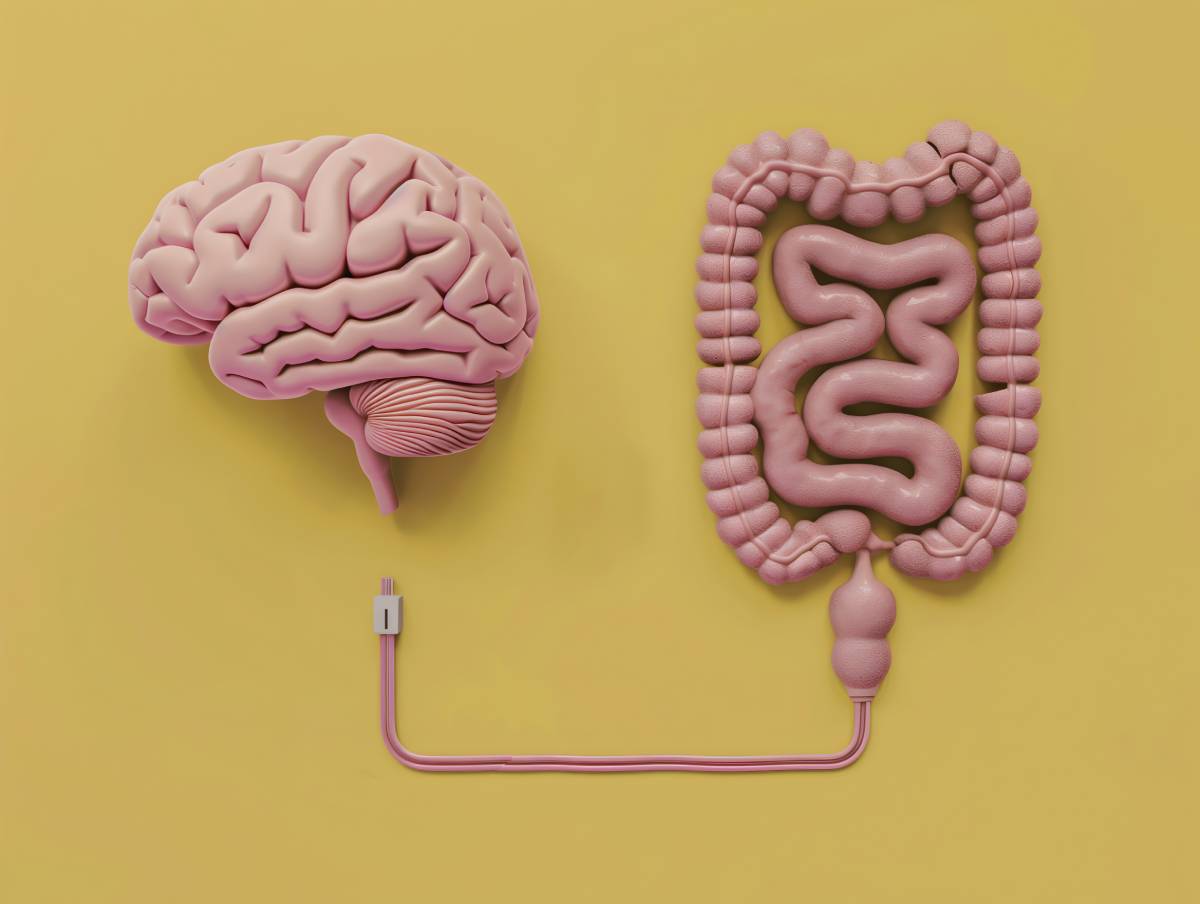
Exploring the Gut-Brain Connection
Ever had a “gut feeling” about something? Have you noticed how stress can lead to a stomachache? Turns out, these aren’t just figures of speech or coincidences. In recent years, science has uncovered a fascinating and powerful connection between our gut and our brain — one that’s shaping how we understand both physical and mental health. Welcome to the world of the gut-brain connection — a two-way communication system that links the emotional and cognitive centers of the brain with digestive functions. In simple words? Yes, your gut and your mental health are connected. Let’s explore how this connection works, what it means for your overall well-being, and how you can support both your gut and your mind.
What Exactly Is the Gut-Brain Connection?
Your gut isn’t just about digestion. It’s home to around 100 trillion bacteria, collectively known as your gut microbiome. These tiny organisms help digest food, regulate immune function, and, surprisingly, influence your mood and behavior.
- The vagus nerve, which sends messages between the brain and the gut.
- Hormones and neurotransmitters like serotonin and dopamine.
- Your immune system responds to both stress and inflammation.
The gut and brain are connected through a network called the gut-brain axis. This system includes:
Scientists now call the gut the "second brain" — and for good reason.
How Does the Gut Impact Mental Health?
Your gut microbiome plays a key role in producing brain chemicals like serotonin (mood regulation), dopamine (motivation and reward), and GABA (calm and relaxation).
- Anxiety
- Depression
- Mood swings
- Brain fog
- Trouble sleeping
Fun fact? About 90% of your body’s serotonin is made in the gut, not the brain!
When your gut bacteria are out of balance (a condition known as dysbiosis), it can lead to:
Several studies have shown that people with mental health conditions often have very different gut bacteria compared to those without.
Stress and Anxiety — Can They Mess with Your Gut?
Absolutely. The relationship goes both ways. Just as your gut affects your mood, your mental state affects your gut.
- Bloating
- Indigestion
- Constipation or diarrhea
- Loss of appetite (or emotional eating)
When you’re stressed, anxious, or emotionally overwhelmed, your brain signals your digestive system, often leading to symptoms like:
Chronic stress can also alter your gut bacteria, weaken your gut lining, and trigger inflammation — all of which make you feel worse, both physically and mentally. It’s a vicious cycle: stress hurts your gut, and a struggling gut amplifies stress.
How Can You Support Gut and Mental Health?
Here’s the good news: there are simple, everyday steps you can take to improve your gut health — and in turn, your mental health.
1. Eat More Fiber-Rich Foods
Think fruits, vegetables, legumes, and whole grains. Fiber feeds the good bacteria in your gut and keeps things moving.
2. Include Fermented Foods
Foods like yogurt, kefir, kimchi, sauerkraut, and kombucha are natural probiotics — they add more friendly bacteria to your gut.
3. Cut Back on Sugar and Processed Foods
High sugar intake can fuel harmful bacteria and yeast in your gut, leading to an imbalance.
4. Take Probiotics (If needed)
Some people benefit from probiotic supplements, especially after antibiotics. But talk to your doctor first.
5. Manage Stress
Mindfulness, yoga, breathing exercises, journaling, and regular movement all help regulate the gut-brain axis.
6. Sleep Well
Poor sleep can disturb your microbiome, while good sleep helps regulate both mood and digestion.
7. Stay Hydrated
Water helps with digestion and maintains the mucosal lining of the gut — your first line of defense.
Who Should Pay Attention to This Connection?
Honestly, everyone. But especially people who experience:
- Anxiety or depression
- IBS or digestive issues
- Chronic fatigue or low energy
- Brain fog or poor concentration
- Food intolerances
If you're working with a therapist, nutritionist, or doctor, it might be worth asking: “Could my gut health be playing a role in how I’m feeling mentally?” It’s a conversation that more and more health professionals are having.
Final Thoughts
Your brain and gut are in constant conversation — whether you’re aware of it or not. And when one is struggling, the other often feels it too.
The exciting part? By taking care of your gut — with food, mindfulness, movement, and rest — you’re not just supporting digestion. You’re supporting your emotional resilience, clarity, and calm.
So, the next time you feel anxious or down, don’t just blame your thoughts. Listen to your gut, too. It may have more to say than you think.