
By Kage Team | 18 March 2026
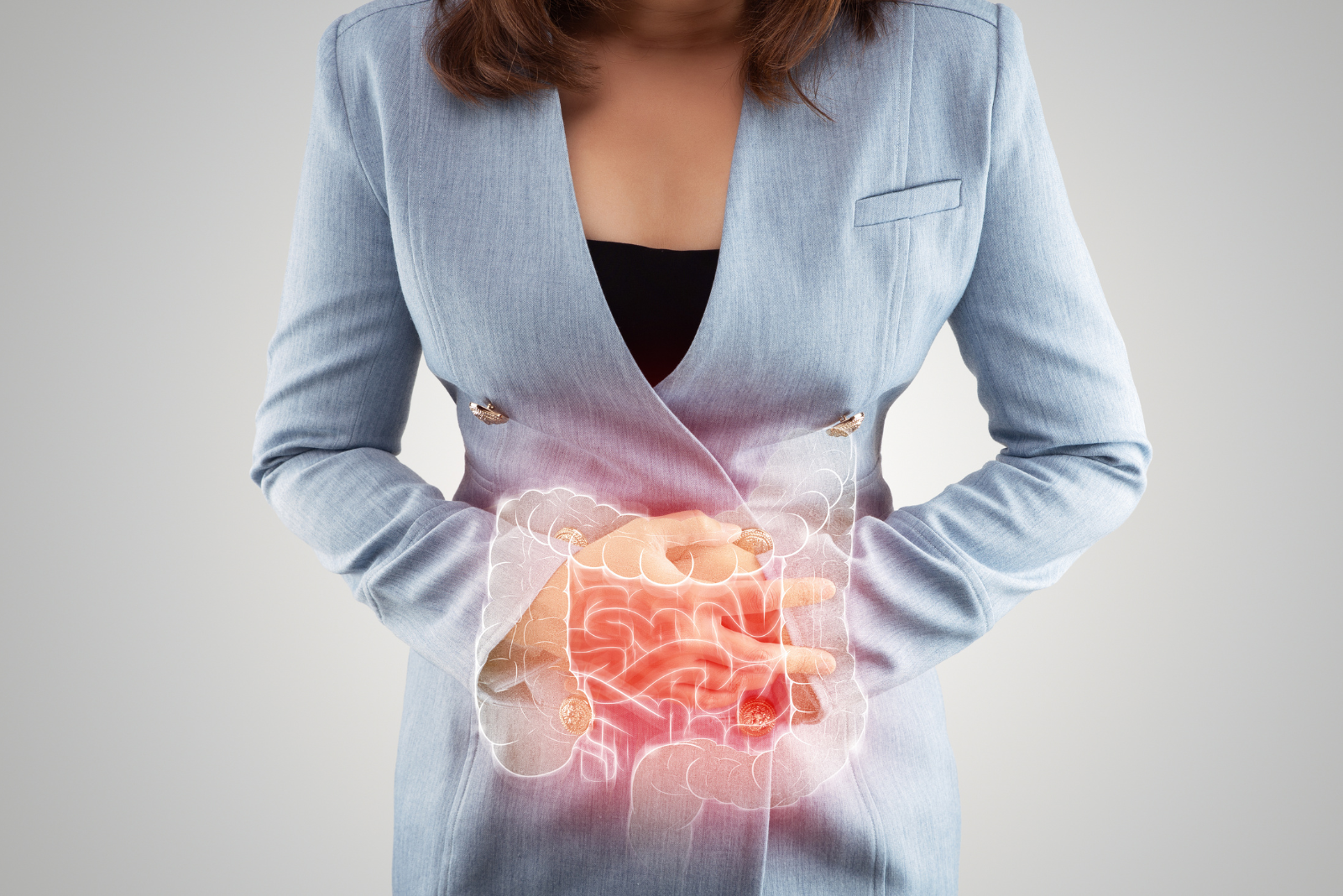
Hyderabad is one of India's fastest-growing cities a hub of technology, culture, and culinary heritage. But behind the city's dynamism lies a rising health crisis that goes largely undiscussed: digestive diseases are increasing at an alarming rate across Hyderabad's population.
GERD, fatty liver, IBS, IBD, gallstones, colorectal polyps, and pancreatitis conditions once considered rare in Indian populations are becoming everyday diagnoses at gastroenterology clinics across the city.
At KIMS Advanced Gastroenterology & Endoscopy KAGE, at KIMS Hospitals, Secunderabad, Secunderabad, our specialist gastroenterologists led by Dr. Sreekanth Appasani see this trend firsthand every single day. This blog examines the specific forces driving the rise of digestive problems in Hyderabad and what you can do about it.
Hyderabad's Digestive Health Crisis By the Numbers
India now has one of the world's highest burdens of non-alcoholic fatty liver disease (NAFLD) affecting an estimated 30–40% of urban adults. GERD affects up to 25% of the Indian urban population. IBD diagnoses in India have tripled in the last two decades. Colorectal cancer, once rare, is rising in younger age groups. These are not abstract statistics they represent patients that KAGE gastroenterologists meet daily at KIMS Hospitals, Secunderabad.
7 Key Drivers of Rising Digestive Problems in Hyderabad
1. The Death of the Traditional Indian Diet
Hyderabad's food culture is extraordinary biryani, haleem, mirchi ka salan, keema, kebabs a rich culinary tradition built on slow-cooked, flavourful dishes. But the modern Hyderabadi diet has shifted dramatically toward maida-based fast food, packaged snacks, sugary beverages, and late-night delivery meals. This transition away from high-fibre, whole-grain, vegetable-rich traditional Indian eating to processed, refined, low-fibre Western-influenced foods is the single greatest driver of the current digestive health crisis.
2. The Obesity and Metabolic Syndrome Epidemic
Hyderabad has among the highest rates of urban obesity, diabetes, and metabolic syndrome in India. Excess abdominal fat drives GERD (increased pressure on the stomach), NAFLD (fat accumulation in the liver), gallstone disease, and colon polyp formation. The visceral fat that accumulates in the abdominal cavity is metabolically active producing inflammatory cytokines that damage the liver, gut, and other organs.
3. Sedentary IT-Sector Lifestyles
Hyderabad's HITEC City and Cyberabad are home to hundreds of thousands of IT professionals who spend 8–12 hours seated daily. Physical inactivity directly slows gut motility (causing constipation and IBS), contributes to obesity, and impairs the gut microbiome. Studies consistently show that regular exercise is protective against colon cancer, IBD, and fatty liver making Hyderabad's sedentary professional culture a direct risk factor.
4. Chronic Stress The Silent Gut Destroyer
The competitive professional environment, traffic stress, academic pressure on children and students, and the demands of managing dual-income urban households create a chronic stress state that directly disrupts the gut-brain axis. Cortisol elevation from chronic stress worsens IBS, triggers GERD, impairs gut lining integrity, and alters the gut microbiome. The rising prevalence of anxiety and depression in urban Hyderabad is both a consequence and a cause of worsening digestive health.
5. Rising Alcohol Consumption
Alcohol consumption in Hyderabad's urban and professional population has risen significantly over the past two decades. Alcohol is directly hepatotoxic even moderate, regular drinking accelerates fatty liver, increases the risk of alcoholic hepatitis and cirrhosis, and promotes esophageal and colorectal cancer. KAGE's dedicated Alcohol Clinic at KIMS Hospitals addresses alcohol-related liver and GI disease specifically.
6. Water Quality and Foodborne Infections
Hyderabad's rapid population growth has outpaced its water and sanitation infrastructure in many areas. Waterborne infections H. pylori, giardia, Entamoeba histolytica, typhoid, hepatitis A and E remain prevalent. H. pylori infection, present in over 50% of the Indian population, is the leading cause of peptic ulcer disease and significantly increases the risk of gastric cancer. Post-infectious IBS developing after acute gastroenteritis is a recognized and common condition in Hyderabad.
7. Genetic Susceptibility of South Asian Populations
South Asians including Hyderabadis have a significantly higher genetic predisposition to insulin resistance, Type 2 diabetes, and NAFLD than Western populations, even at lower BMIs. This means that a Hyderabadi with a 'normal' weight by Western standards may already have significant metabolic liver disease. The interplay of genetic susceptibility with environmental triggers makes the Hyderabadi population particularly vulnerable to metabolic GI disorders.
What Can Hyderabadis Do to Protect Their Digestive Health?
- Return to whole foods: Brown rice over white, whole wheat roti over maida, fresh vegetables, dal, and home-cooked meals.
- Move every day: Even a 20-minute post-dinner walk significantly improves gut motility, reduces fatty liver, and lowers colon cancer risk.
- Manage stress actively: Yoga, pranayama, adequate sleep recognized as effective for IBS and GERD management.
- Limit alcohol: No safe threshold for regular alcohol use with respect to liver health.
- Get screened: If you are over 40 with diabetes, obesity, or a family history of GI disease a preventive gastroenterology review including FibroScan and colonoscopy at KAGE is essential.
Conclusion
Concerned about your digestive health in Hyderabad? Book a consultation at KAGE, KIMS Hospitals, Secunderabad. Call: +91-7288842255
Frequently Asked Questions
The increase is real and documented. Multiple Indian gastroenterological studies confirm rising NAFLD, IBD, GERD, and colorectal polyp prevalence in urban Indian populations over the past two decades driven by lifestyle and dietary changes associated with rapid urbanization.
Fatty liver, IBD, and GERD are increasingly being diagnosed in people in their 20s and 30s in Hyderabad. The combination of a high-calorie, low-fibre diet, sedentary work, chronic stress, and early alcohol use is pushing the onset of metabolic and inflammatory GI diseases to younger ages.
Traditional Hyderabadi cuisine, eaten in reasonable quantities as part of a balanced diet, is not inherently harmful to digestion. The problem is modern portion sizes, frequency, excess oil, late-night eating, and the replacement of home-cooked Hyderabadi food with processed, packaged alternatives.
KAGE at KIMS Hospitals, Secunderabad operates not just as a treatment center but as a preventive care and education resource. With specialized clinics, advanced diagnostic tools including FibroScan, and a team of DM-qualified specialist gastroenterologists, KAGE provides early detection, accurate diagnosis, and evidence-based treatment for the full spectrum of digestive diseases facing Hyderabad's population.
KIMS Advanced Gastroenterology & Endoscopy KAGE is at C/O Gastroenterology Dept, KIMS Hospitals, 1-8-31/1, Minister Road, Secunderabad, Hyderabad – 500003, open Monday to Saturday, 9:00 AM to 5:30 PM. Call +91-7288842255 or email appointments.kage@gmail.com.