
By Kage Team | 26 May 2026
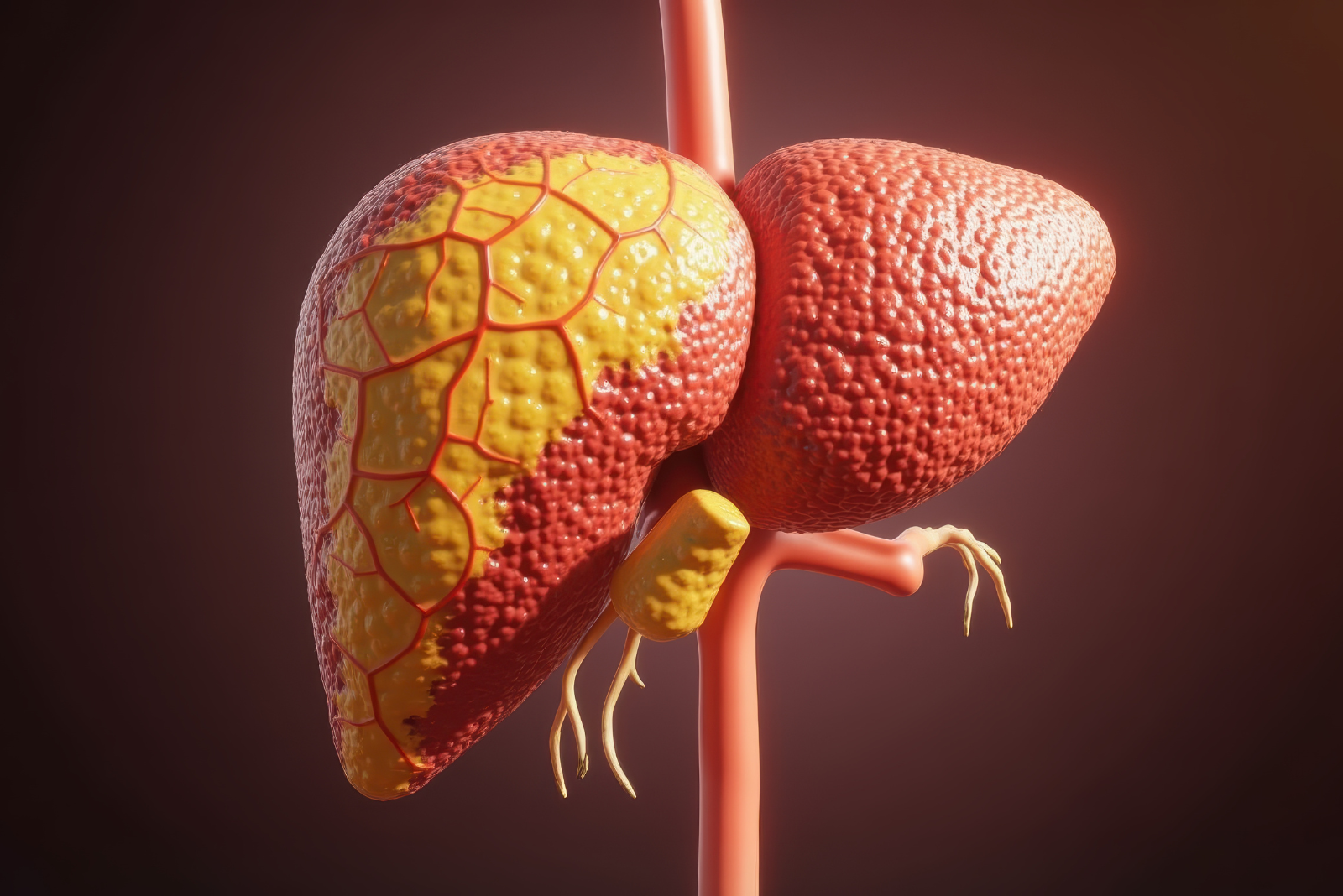
Imagine a disease that quietly affects one in every three urban adults, causes no noticeable symptoms in its early stages, can progress to liver failure and liver cancer over decades, and yet is almost entirely preventable and reversible when caught early. This is fatty liver disease — and it has reached epidemic proportions in Hyderabad.
The combination of Hyderabad's evolving food culture, the city's software-industry sedentary lifestyle, rising diabetes and obesity rates, and South Asian genetic susceptibility to metabolic disease has made fatty liver one of the most common — and most undetected — conditions seen at KIMS Advanced Gastroenterology & Endoscopy — KAGE — KAGE, KIMS Hospitals, Secunderabad, Secunderabad.
This guide is written specifically for Hyderabadis — covering the specific risks, the Hyderabad-relevant food connections, and the practical steps to protect your liver.
What Is Fatty Liver Disease?
Fatty liver disease (steatosis) occurs when excess fat accumulates in liver cells — more than 5–10% of the liver's total weight. It exists in two primary forms:
- NAFLD (Non-Alcoholic Fatty Liver Disease): Not caused by alcohol — driven by obesity, diabetes, insulin resistance, and metabolic syndrome. The most common form in Hyderabad.
- AFLD (Alcoholic Fatty Liver Disease): Caused by chronic alcohol consumption.
NAFLD progresses on a spectrum: simple steatosis → NASH (Non-Alcoholic Steatohepatitis — inflammatory) → fibrosis → cirrhosis → liver cancer. Only a minority progress to the advanced stages — but in Hyderabad's high-risk population, the numbers are substantial.
Why Hyderabad Has a Fatty Liver Problem
- Biryani and oil-rich cuisine: Hyderabad's iconic food culture — biryani, haleem, nihari, deep-fried snacks — is calorie-dense and saturated-fat-rich. Frequent consumption contributes to the caloric surplus that drives visceral fat and liver fat accumulation.
- South Asian insulin resistance: Hyderabadis — like all South Asians — have a disproportionately higher genetic susceptibility to insulin resistance and Type 2 diabetes at lower BMIs compared to Western populations. Insulin resistance directly drives liver fat storage.
- Sedentary IT culture: HITEC City, Gachibowli, and Madhapur are home to hundreds of thousands of desk-based IT professionals with limited physical activity.
- Rising diabetes and pre-diabetes: Hyderabad has one of the highest prevalences of Type 2 diabetes in India — and diabetes is the single strongest predictor of NASH progression.
- Alcohol consumption: Normalized social and professional drinking in urban Hyderabad adds alcoholic liver injury on top of metabolic fatty liver in many patients.
The Stages of Fatty Liver — and Why Early Detection Matters
The critical window for intervention is Stages 1–3. FibroScan at KAGE identifies which stage you are at — so appropriate action can be taken before the irreversible stage.
- Stage 1 — Simple Steatosis: Fat in the liver without inflammation. Fully reversible. No symptoms. Most people at this stage — detectable on ultrasound or FibroScan.
- Stage 2 — NASH: Fat plus inflammation and early liver cell damage. Still largely reversible with treatment. May cause mild fatigue.
- Stage 3 — Fibrosis: Scarring begins. Partially reversible if the cause is treated early. Still often asymptomatic.
- Stage 4 — Cirrhosis: Irreversible scarring. Liver function impaired. Complications — ascites, varices, jaundice — begin. Risk of liver cancer increases dramatically.
Symptoms of Fatty Liver — or the Absence of Them
Do not wait for symptoms. Fatty liver is diagnosed in its most treatable stages by proactive screening — not by waiting for discomfort to appear.
- Stage 1 and 2: Most people have no symptoms whatsoever
- Mild fatigue and right upper abdominal discomfort may occur
- Elevated liver enzymes (ALT, AST, GGT) detected on routine blood work
- Fatty change detected on ultrasound done for another reason
- Advanced NAFLD/cirrhosis: jaundice, ascites, oedema, confusion
Diagnosis and Treatment of Fatty Liver at KAGE, Hyderabad
At KAGE, KIMS Hospitals, Secunderabad, Secunderabad, fatty liver assessment includes: LFTs and metabolic blood panel; ultrasound abdomen; FibroScan (the most accurate non-invasive liver staging available in Hyderabad); and a personalized treatment plan including dietary guidance, lifestyle modification, diabetes and lipid management, and where appropriate, medical therapy (Vitamin E, pioglitazone, GLP-1 agonists for NASH).
Conclusion
Get your fatty liver assessed with FibroScan at KAGE, KIMS Hospitals, Secunderabad — before it progresses. Call: +91-7288842255
Frequently Asked Questions
Eating biryani occasionally does not cause fatty liver. But frequent consumption of calorie-dense, saturated-fat-rich foods — including biryani, fried snacks, and high-sugar foods — contributes to the caloric excess and insulin resistance that drives NAFLD. In the context of a sedentary lifestyle and genetic predisposition, the regular Hyderabadi diet pattern of rich, heavy meals increases fatty liver risk. Moderation and balance — not total elimination of traditional foods — is the approach KAGE recommends.
Grade 2 fatty liver on ultrasound means moderate fat accumulation in the liver. This is a signal that metabolic factors need to be addressed — but it does not mean you have cirrhosis or liver failure. A FibroScan at KAGE will accurately determine whether fibrosis (scarring) has occurred alongside the fat, which is the more important prognostic factor. Most grade 2 fatty liver cases are in the reversible stage with appropriate intervention.
Yes — this is called lean NAFLD and is particularly common in South Asians including Hyderabadis. Normal BMI does not protect against fatty liver in people with genetic insulin resistance, high abdominal fat proportion relative to total body weight, sedentary lifestyle, or diabetes. Lean NAFLD is one of the reasons FibroScan screening is recommended regardless of weight.
The most evidence-based strategy for reducing fatty liver is a combination of 7–10% body weight loss (achieved through caloric deficit plus exercise), a low-carbohydrate or Mediterranean-style diet, elimination of alcohol, and tight diabetes control. FibroScan at KAGE can objectively measure your liver's response to these lifestyle changes over time.
C/O Gastroenterology Dept, KIMS Hospitals, 1-8-31/1, Minister Road, Secunderabad, Hyderabad – 500003. Open Monday to Saturday, 9:00 AM to 5:30 PM. Call +91-7288842255 or email appointments.kage@gmail.com.