
By Kage Team | 26 May 2026
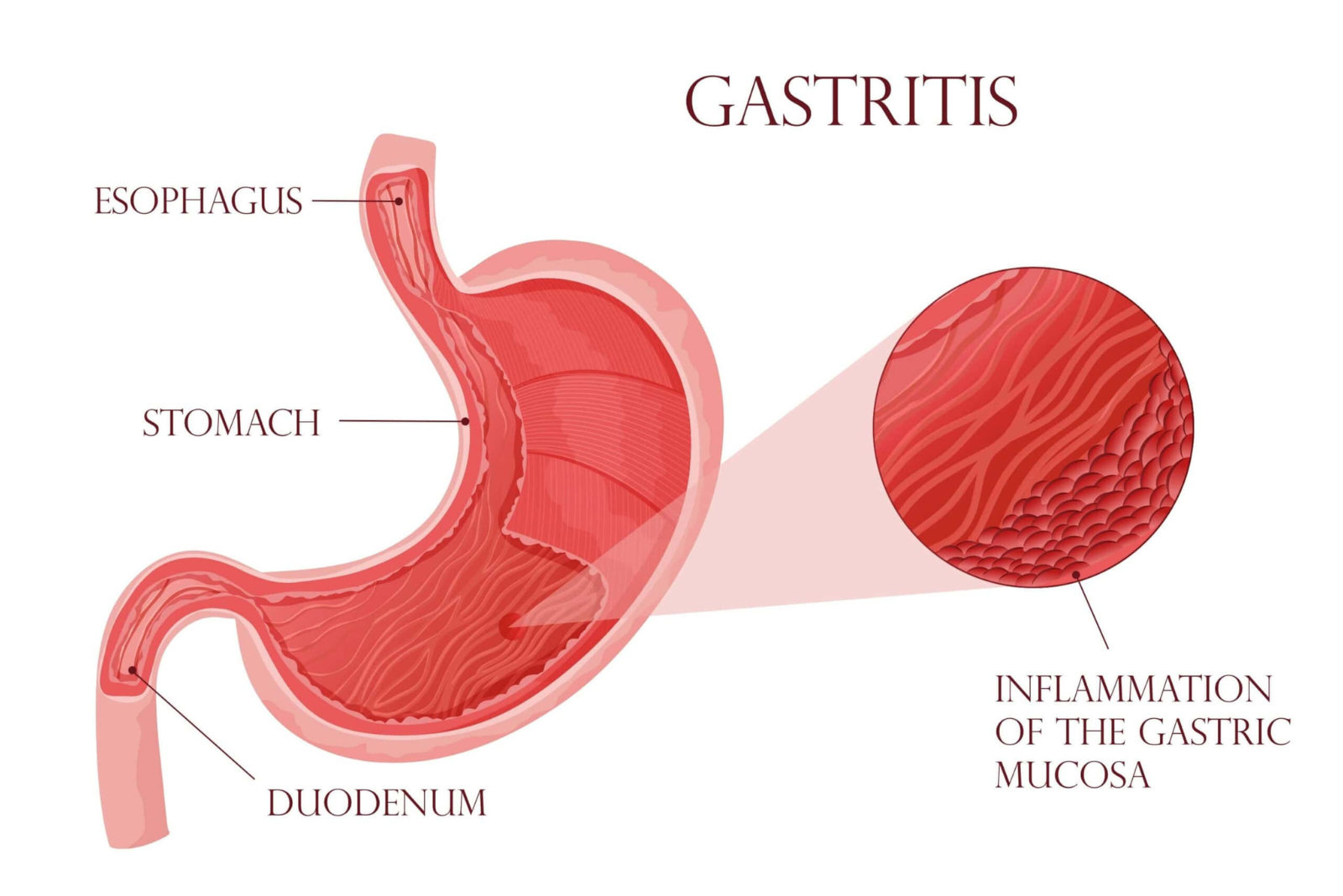
Gastritis — inflammation of the stomach lining — is one of the most frequently diagnosed conditions in gastroenterology clinics across Hyderabad. It presents with a characteristic gnawing, burning discomfort in the upper abdomen — sometimes confused with GERD, sometimes dismissed as routine acidity, and often managed with repeated antacids without ever treating the underlying cause.
The reality is that gastritis has multiple distinct causes, each requiring a different management approach, and untreated gastritis can progress to peptic ulcer disease, stomach bleeding, and in some cases gastric cancer.
At KIMS Advanced Gastroenterology & Endoscopy — KAGE — KAGE, KIMS Hospitals, Secunderabad, Secunderabad, Dr. Sreekanth Appasani and our specialist team diagnose and manage gastritis comprehensively — identifying the root cause and treating it precisely, not just suppressing symptoms.
What Is Gastritis?
Gastritis is inflammation of the gastric mucosa (stomach lining). It can be acute (sudden onset, short duration) or chronic (persistent inflammation over months to years). Acute gastritis may be caused by a single trigger — a bout of heavy alcohol, an NSAID, or an infection — and typically resolves once the trigger is removed. Chronic gastritis persists and carries greater risks if untreated — including peptic ulcers and, in H. pylori-associated cases, gastric cancer.
Causes of Gastritis
H. pylori Infection — The Most Common Cause in India
Helicobacter pylori is a bacterium that colonizes the stomach lining and causes chronic inflammation. It is present in over 50% of the Indian population — spread through contaminated water, food, and oral-to-oral contact. H. pylori-related gastritis is the leading cause of peptic ulcer disease and a significant risk factor for gastric cancer. It is diagnosed by endoscopy with biopsy, rapid urease test, or urea breath test — all available at KAGE.
NSAIDs and Aspirin
Non-steroidal anti-inflammatory drugs (NSAIDs) — ibuprofen, diclofenac, naproxen, and aspirin — are among the most commonly taken medications in India and are a major cause of gastric mucosal damage. NSAIDs suppress the production of prostaglandins that protect the stomach lining, making it vulnerable to acid damage. Chronic NSAID use without gastroprotection causes gastritis, ulcers, and GI bleeding.
Alcohol
Alcohol directly irritates and inflames the stomach lining. Acute alcohol-induced gastritis can cause severe epigastric pain, nausea, and vomiting. Chronic heavy drinking causes persistent gastric mucosal damage.
Autoimmune Gastritis
A less common form in which the immune system attacks the stomach's parietal cells — leading to reduced acid and intrinsic factor production, vitamin B12 deficiency (pernicious anaemia), and risk of gastric carcinoid tumors.
Bile Reflux Gastritis
Bile from the small intestine flowing back into the stomach causes chemical irritation of the gastric lining — more common after stomach surgery.
Stress Gastritis
Severe physical illness, burns, major surgery, or head injury can cause acute stress gastritis — a protective mucosal breakdown from physiological stress.
Symptoms of Gastritis
Crucially, chronic gastritis — particularly H. pylori-associated — may be entirely symptom-free for years, presenting only when a complication (ulcer or cancer) develops. This is why endoscopic evaluation is so important.
- Gnawing or burning upper abdominal pain — typically in the upper middle abdomen (epigastrium)
- Nausea and sometimes vomiting
- Feeling of fullness after small meals
- Loss of appetite
- Belching and bloating
- In severe cases — vomiting blood or dark/tarry stools (indicating gastric bleeding)
When to See a Specialist for Gastritis
- Symptoms persist for more than 2–3 weeks despite antacids
- You are taking NSAIDs or aspirin regularly and have upper abdominal symptoms
- You notice blood in your vomit or black/tarry stools — this is urgent
- You have unexplained weight loss accompanying upper abdominal symptoms
- You have difficulty swallowing with gastric symptoms
- You are over 45 and have new-onset upper abdominal symptoms — gastroscopy is recommended
Diagnosing Gastritis at KAGE
- Upper GI Endoscopy (OGD Scopy): The gold standard — directly visualizes the stomach lining and enables biopsy for H. pylori and histological assessment.
- Rapid Urease Test (RUT): Rapid on-table test for H. pylori during endoscopy.
- Urea Breath Test (UBT): Non-invasive breath test for H. pylori — useful for diagnosis and post-treatment confirmation of eradication.
- H. pylori Stool Antigen Test: Non-invasive stool test for H. pylori — available at KAGE.
Gastritis Treatment at KAGE
- H. pylori eradication: Triple or quadruple antibiotic therapy with a PPI — achieves H. pylori eradication in >90% of cases, resolving H. pylori gastritis and dramatically reducing ulcer and gastric cancer risk.
- PPI therapy: Proton pump inhibitors (omeprazole, pantoprazole, rabeprazole) reduce acid, relieve symptoms, and allow the gastric mucosa to heal.
- NSAID cessation or gastroprotection: Stopping NSAIDs where possible, or adding a PPI cover for patients who must continue.
- Dietary modification: Avoiding spicy, acidic, and fried foods; eating regular small meals; eliminating alcohol.
- B12 supplementation: For autoimmune gastritis with pernicious anaemia.
Conclusion
Persistent stomach pain or gastritis? Get specialist care at KAGE, KIMS Hospitals, Secunderabad. Call: +91-7288842255
Frequently Asked Questions
H. pylori is the most common bacterial infection in the world and a significant cause of serious GI disease in India. It causes peptic ulcer disease, is the leading preventable cause of gastric cancer, and can cause MALT lymphoma of the stomach. Once identified and treated with appropriate antibiotics at KAGE, it can be eradicated in over 90% of cases — permanently removing these risks.
Yes — the urea breath test (UBT) and H. pylori stool antigen test are non-invasive, accurate diagnostic tests available at KAGE. They are appropriate for initial diagnosis in younger patients without alarm features. Endoscopy is recommended for patients over 45 with new symptoms, those with alarm features, or those requiring direct visualization of the stomach lining.
H. pylori-associated chronic active gastritis — particularly if it progresses to atrophic gastritis and intestinal metaplasia — does carry an increased risk of gastric cancer. This is why H. pylori eradication and endoscopic surveillance for high-risk patients is so important. Dr. Sreekanth Appasani at KAGE identifies and monitors patients at elevated gastric cancer risk with regular endoscopic surveillance.
With gastritis, avoid: very spicy foods, deep-fried foods, excess tea and coffee (especially on an empty stomach), carbonated drinks, alcohol, and large meals late at night. Eat smaller, regular meals, include stomach-soothing foods like curd, oats, banana, and steamed vegetables, and avoid NSAIDs unless medically essential.
Gastritis treatment at KAGE begins with a thorough clinical history and targeted investigation — H. pylori testing, and upper GI endoscopy where indicated. Treatment is then tailored to the specific cause: H. pylori eradication, PPI therapy, dietary guidance, and regular monitoring. Address: C/O Gastroenterology Dept, KIMS Hospitals, 1-8-31/1, Minister Road, Secunderabad, Hyderabad – 500003. Call +91-7288842255.