
By Kage Team | 26 May 2026
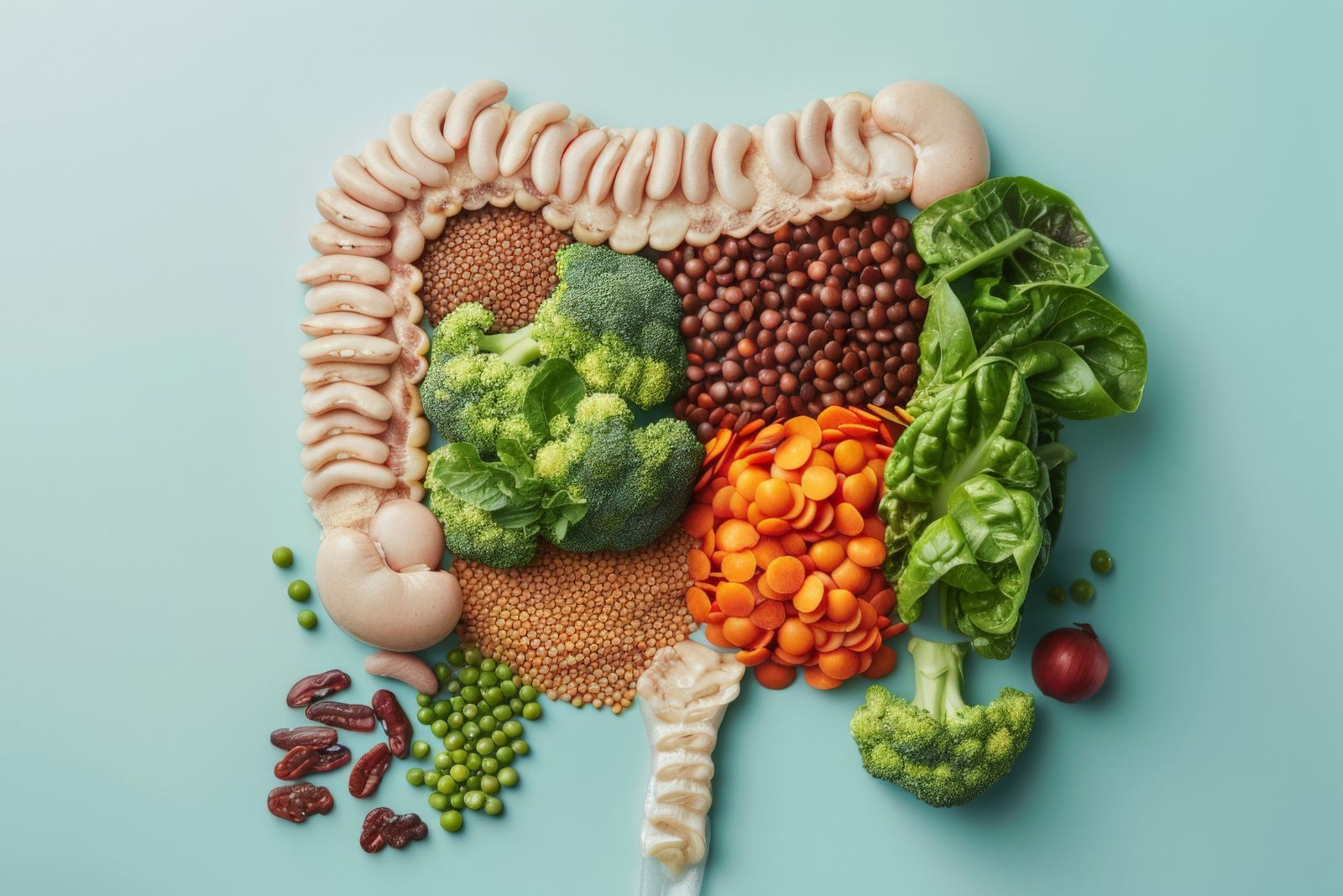
The gut is where nutrition and health intersect most intimately. Every meal you eat either nourishes the gut's complex ecosystem — the 100 trillion bacteria, fungi, and other microorganisms that collectively form the gut microbiome — or disrupts it. The gut microbiome influences not just digestion but immunity, brain function, metabolic health, and even mood.
Increasingly, gastroenterological research confirms what traditional Indian dietary wisdom has long recognized: the quality of what you eat profoundly shapes how your gut functions and how your body feels. At KIMS Advanced Gastroenterology & Endoscopy — KAGE — KAGE, KIMS Hospitals, Secunderabad, Secunderabad, Dr. Sreekanth Appasani and our specialist team integrate nutritional guidance into every consultation because diet is inseparable from GI health outcomes.
This practical guide to the best and worst foods for gut health is tailored specifically for the Indian palate and the reality of cooking and eating in Hyderabad.
The Gut Microbiome: Why Diversity Matters
A healthy gut contains hundreds of different bacterial species working in symbiosis. Diverse, plant-rich diets promote microbiome diversity — which is associated with lower rates of IBS, IBD, obesity, diabetes, and colon cancer. Ultra-processed, low-fibre diets reduce microbiome diversity — creating conditions for inflammation, leaky gut, and metabolic disease. The single most powerful dietary change you can make for your gut microbiome is increasing dietary fibre and plant diversity.
Best Foods for Gut Health — Indian Kitchen Superstars
High-Fibre Foods
- Ragi (finger millet) — exceptional fibre, calcium, and iron; ragi mudde, ragi dosa, ragi porridge
- Rajma, chana, moong, and all dal varieties — soluble and insoluble fibre; feed beneficial gut bacteria
- Brown rice and whole wheat roti over white rice and maida — higher fibre, lower glycaemic index
- Oats — beta-glucan fibre is particularly effective for gut bacteria and cholesterol
- Guava, pears, and apples — rich in pectin (soluble fibre) that feeds Lactobacillus and Bifidobacterium
- Leafy greens: palak, methi, moringa — fibre plus antioxidants and prebiotic compounds
Probiotic Foods — Natural Gut Bacteria Sources
- Curd (dahi) — the cornerstone of Indian gut health; rich in Lactobacillus and Streptococcus thermophilus
- Chaas (buttermilk) — probiotic, cooling, and gentle on the digestive system
- Idli and dosa batter — fermented rice and lentil batter supports gut microbiome
- Kanji — fermented rice water; a traditional gut-healing remedy in South India
- Homemade pickle in brine (not vinegar) — traditional fermented vegetables contain live probiotic cultures
Anti-Inflammatory and Hepatoprotective Foods
- Turmeric (haldi) — curcumin reduces gut and liver inflammation; use daily in cooking
- Ginger (adrak) — prokinetic; accelerates gastric emptying, reduces nausea and bloating
- Walnuts — omega-3 fatty acids reduce gut inflammation and support microbiome diversity
- Amla (Indian gooseberry) — vitamin C and antioxidants support gut lining integrity and liver health
- Green tea — polyphenols support beneficial gut bacteria and reduce intestinal inflammation
- Coffee — 2–3 cups daily reduces liver fibrosis, cirrhosis, and liver cancer risk in susceptible individuals
Foods to Avoid for Gut Health
Ultra-Processed and Refined Foods
- Maida (all-purpose flour) breads, biscuits, and packaged snacks — displace fibre, disrupt microbiome
- Sugary beverages — soft drinks, packaged fruit juices — excess fructose promotes fatty liver and microbiome dysbiosis
- Instant noodles and processed fast food — ultra-low fibre, high sodium, harmful preservatives
Foods That Worsen Common GI Conditions
- Very spicy, deep-fried foods — trigger GERD, gastritis, and IBS flares
- Red and processed meat (in excess) — associated with increased colorectal cancer risk; limit to 2–3 times per week
- Alcohol — damages the gut lining, disrupts microbiome, promotes intestinal permeability ('leaky gut'), and is directly hepatotoxic
- Excess tea and coffee on an empty stomach — increases gastric acid, worsens GERD and gastritis
- Raw papaya and pineapple in large quantities — traditional cautions in pregnancy; strong proteolytic activity
Condition-Specific Indian Dietary Tips
For GERD
- Avoid: spicy biryani, mirchi items, deep-fried snacks, excess irani chai, late meals
- Choose: small frequent meals, oats, banana, curd rice, non-citrus fruits, alkaline foods
For IBS
- Follow a low-FODMAP approach: reduce onion, garlic, wheat, certain lentils, lactose, mango
- Increase: low-FODMAP foods — rice, oats, carrot, spinach, banana, firm tofu, plain curd
For Fatty Liver
- Eliminate alcohol; reduce refined carbs and sugar; increase turmeric, moringa, walnuts, coffee
- Follow a Mediterranean-influenced Indian diet: olive oil, fish, legumes, vegetables, whole grains
For Constipation
- Increase: ragi, rajma, oats, guava, pears, soaked figs, warm water with lemon in the morning
- Avoid: excess maida, processed snacks, inadequate water intake
Conclusion
Need personalized dietary guidance for your GI condition? Book a consultation at KAGE, KIMS Hospitals, Secunderabad. Call: +91-7288842255
Frequently Asked Questions
If forced to choose one, curd (dahi) — eaten daily as a natural probiotic — is arguably the most accessible and culturally embedded gut health food for Indians. It supports microbiome diversity, reduces IBS symptoms, protects against diarrheal infections, and provides calcium and protein. Combine with high-fibre Indian foods for a complete gut health foundation.
White rice is not inherently bad for gut health — it is a low-allergen, easily digestible staple. However, its low fibre content means it does not support the gut microbiome as well as whole grains. Brown rice, red rice, or combining white rice with dal and vegetables (which add fibre and nutrition) are more gut-supportive choices.
Yes — the gut microbiome typically begins recovering within 1–2 weeks of completing antibiotics, but full restoration can take weeks to months. Consuming probiotic-rich foods (curd, chaas, fermented foods) and high-fibre prebiotic foods (ragi, rajma, vegetables) after antibiotics actively supports microbiome recovery.
For fatty liver: eliminate alcohol, reduce refined carbohydrates and sugary beverages, replace white rice with ragi or brown rice, eat more dal and legumes for plant protein, use turmeric and ginger daily, include walnuts and flaxseeds for omega-3, drink 2–3 cups of coffee daily (without excess sugar), and exercise 150 minutes per week. These changes reduce liver fat measurably within 3–6 months.
Yes — KAGE at KIMS Hospitals, Secunderabad integrates nutritional guidance into treatment planning for all GI conditions. C/O Gastroenterology Dept, KIMS Hospitals, 1-8-31/1, Minister Road, Secunderabad, Hyderabad – 500003. Call +91-7288842255.