
By Kage Team | 26 May 2026
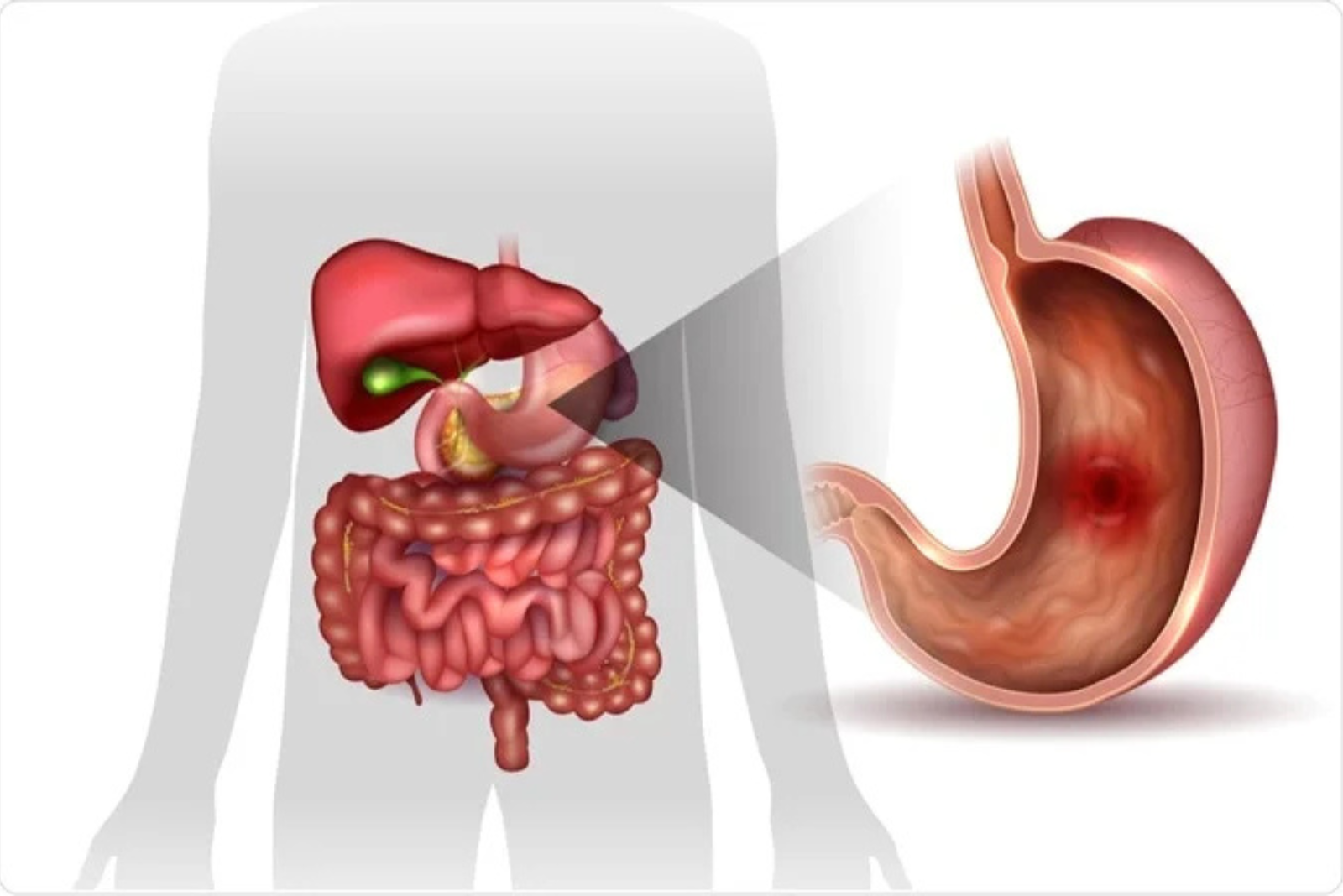
Stomach ulcer symptoms — upper abdominal pain, nausea, early satiety — overlap significantly with other common GI conditions including GERD, gastritis, functional dyspepsia, and even gallstone disease. This is precisely why self-diagnosis and indefinite self-medication with antacids is never adequate — accurate diagnosis requires specific investigations that identify whether an ulcer is present, where it is located, what caused it, and whether it is benign or malignant.
At KIMS Advanced Gastroenterology & Endoscopy — KAGE — KAGE, KIMS Hospitals, Secunderabad, Secunderabad, Dr. Sreekanth Appasani and our specialist team provide the most accurate, comprehensive peptic ulcer diagnostic evaluation in Hyderabad. Here is a complete guide to how doctors diagnose stomach ulcers.
Clinical Assessment — The Starting Point
The diagnostic process begins with a detailed clinical history — the character, location, timing, and triggers of the pain; the relationship to eating; symptoms of alarm features; NSAID use; alcohol and smoking history; and family history of ulcer disease or gastric cancer. A physical examination including assessment for epigastric tenderness, signs of GI bleeding, and abdominal masses follows.
Tests Used to Diagnose Stomach Ulcers at KAGE
1. Upper GI Endoscopy (OGD Scopy) — The Gold Standard
At KAGE, endoscopy is performed with the Olympus X1 HD endoscope and Fuji ELUXEO 7000 — providing 4K-equivalent imaging for the most detailed mucosal assessment.
2. H. pylori Testing — Non-Invasive Options
- Urea Breath Test (UBT): The patient swallows a capsule of isotopically labeled urea. If H. pylori is present, it metabolizes the urea — producing labeled CO2 detectable in the breath. Highly accurate, non-invasive, and available at KAGE.
- H. pylori Stool Antigen Test: A non-invasive stool test detecting H. pylori antigens — accurate for both initial diagnosis and confirmation of eradication after treatment.
- Rapid Urease Test (RUT): Performed during endoscopy on a gastric biopsy — a quick, on-table result for H. pylori.
- Serology (H. pylori IgG): Blood test for antibodies — useful for screening but cannot distinguish active from past infection; less preferred.
3. Biopsy — For Malignancy Exclusion
All gastric (stomach) ulcers — without exception — must be biopsied at endoscopy to exclude malignancy. Gastric cancer and benign peptic ulcers can look identical on visual inspection — only histological examination of the biopsy confirms the diagnosis. This is one of the most important reasons to have an endoscopy rather than relying on non-invasive tests alone for gastric symptoms.
4. Blood Tests
- Full blood count — to detect anaemia from chronic blood loss
- Serum gastrin — to investigate Zollinger-Ellison syndrome if ulcers are multiple, recurrent, or treatment-resistant
- Liver function tests, renal function — for baseline assessment, particularly before prescribing PPIs and antibiotics
5. Barium Meal X-Ray — Rarely Used Today
Once the primary test for ulcer diagnosis, barium meal has been largely superseded by endoscopy — it cannot biopsy, cannot test for H. pylori, and is less sensitive for small ulcers. It is occasionally used when endoscopy is contraindicated.
Post-Treatment Testing — Confirming Ulcer Healing and H. pylori Eradication
After H. pylori eradication therapy, a post-treatment urea breath test or stool antigen test at KAGE confirms successful eradication. Repeat endoscopy after 6–8 weeks of PPI therapy is recommended for all gastric ulcers — to confirm healing and ensure no malignancy was missed on initial biopsy.
Conclusion
Suspect a stomach ulcer? Get accurately diagnosed at KAGE, KIMS Hospitals, Secunderabad. Call: +91-7288842255
Frequently Asked Questions
Not always. In patients under 45 without alarm features, an empirical trial of H. pylori test-and-treat is acceptable as initial management. However, endoscopy is mandatory if: the patient is over 45 with new symptoms; alarm features are present (weight loss, bleeding, dysphagia); symptoms do not respond to empirical treatment; or a gastric ulcer is suspected (all gastric ulcers must be biopsied to exclude malignancy).
A standard diagnostic endoscopy takes 10–15 minutes. With H. pylori biopsy sampling, 15–20 minutes. You should plan for approximately 2–3 hours total at KIMS Hospitals, Secunderabad, including preparation, procedure, and recovery.
Yes — the urea breath test requires: fasting for 4 hours before the test; stopping PPIs (omeprazole, pantoprazole) for 2 weeks before testing; stopping antibiotics for 4 weeks. Failure to follow preparation instructions produces false-negative results. Your KAGE specialist will provide specific preparation instructions.
Benign gastric ulcers do not become cancers — but gastric cancer can present exactly like a benign peptic ulcer. This is why biopsy of all gastric ulcers at endoscopy is non-negotiable, and why a repeat endoscopy after treatment is recommended to confirm healing. An ulcer that does not heal on PPI therapy must be re-investigated urgently.
KAGE, C/O Gastroenterology Dept, KIMS Hospitals, 1-8-31/1, Minister Road, Secunderabad, Hyderabad – 500003. Open Monday to Saturday, 9:00 AM to 5:30 PM. Call +91-7288842255 or email appointments.kage@gmail.com.