
By Kage Team | 26 May 2026
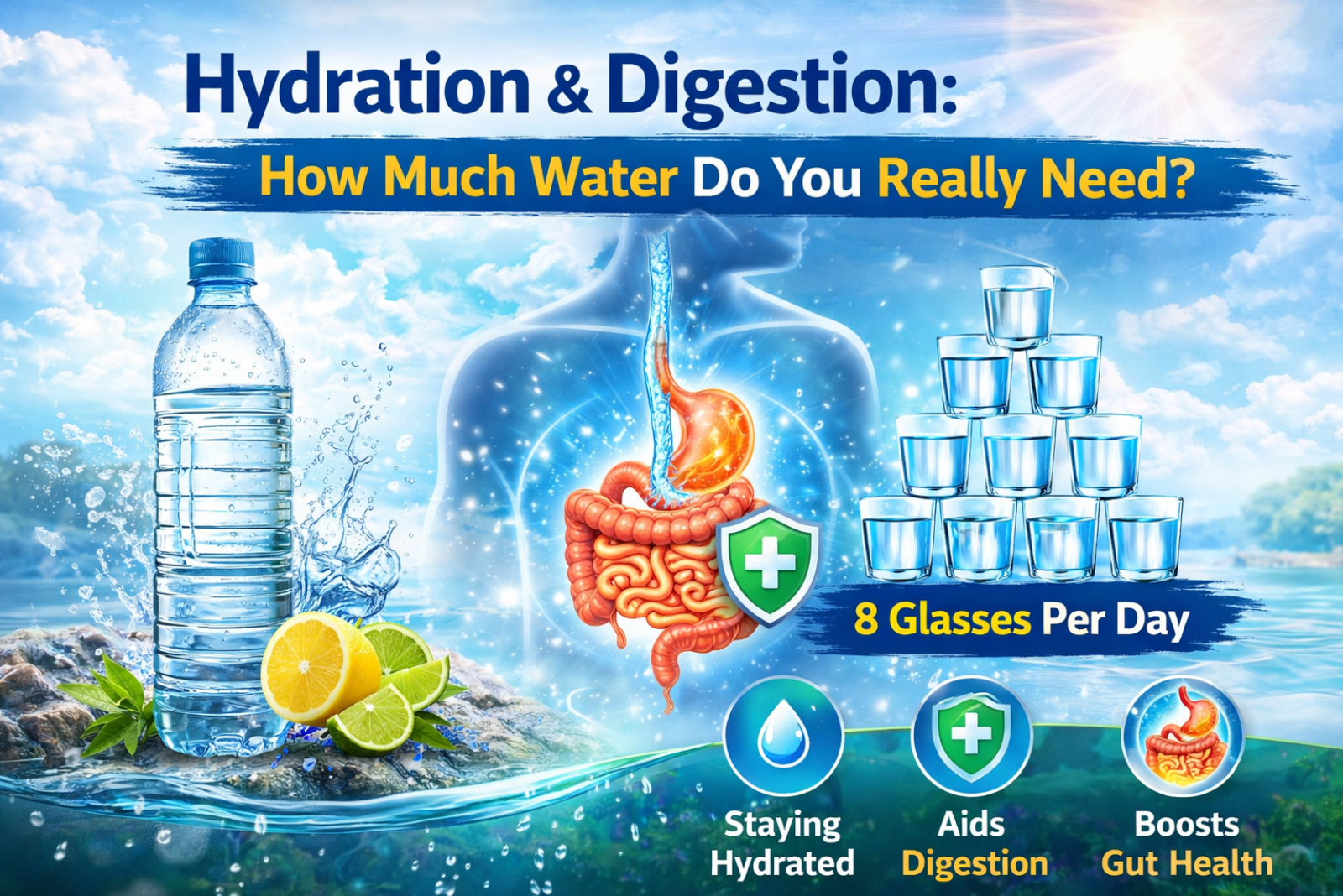
Water is the most fundamental nutrient for human health — and its relationship to digestive function is direct, critical, and frequently underestimated. The digestive tract requires water at every stage: saliva production begins digestion in the mouth; gastric juice dissolves food in the stomach; water keeps the intestinal lining moist and functional; and adequate hydration in the colon is the most important factor in preventing constipation.
In Hyderabad's hot, humid climate — where the body loses significantly more water through sweat than in cooler environments — inadequate hydration is one of the most common and most easily correctable contributors to digestive problems. At KIMS Advanced Gastroenterology & Endoscopy — KAGE — KAGE, KIMS Hospitals, Secunderabad, Secunderabad, Dr. Sreekanth Appasani and our specialist team regularly identify dehydration as a contributing factor in constipation, kidney stones, urinary tract infections, and even GERD in Hyderabad patients.
This guide answers the question every Indian patient should ask: how much water do I really need for good digestion?
How Water Supports Digestive Health at Every Stage
- Mouth: Saliva — 98% water — begins carbohydrate digestion and lubricates food for swallowing.
- Esophagus: Adequate hydration keeps the mucosal lining moist — reducing friction, preventing dysphagia, and supporting GERD management.
- Stomach: Gastric juice is primarily water. Dehydration reduces gastric juice production, impairing protein digestion.
- Small intestine: Digestive enzymes from the pancreas and bile from the liver are water-based. Absorption of nutrients requires adequate intestinal fluid.
- Large intestine (colon): The colon absorbs water from digestive waste. Too little water intake leads the colon to extract maximum water from stool — producing hard, dry, difficult-to-pass stools. Constipation is overwhelmingly the most common consequence of chronic dehydration.
- Liver: Water is essential for the liver's detoxification processes. Dehydration impairs bile production and flow.
How Much Water Do You Really Need — in Hyderabad's Climate?
The commonly cited 8 glasses (2 litres) per day is a minimum baseline for temperate climates. In Hyderabad — where summer temperatures regularly exceed 40°C and where sweating is significant for much of the year — daily fluid requirements are considerably higher:
- Sedentary adults in Hyderabad: 2.5–3 litres (10–12 glasses) of total fluid daily.
- Physically active individuals: 3–4+ litres daily, with electrolyte replacement during intense exercise.
- Pregnant women in Hyderabad: 3–3.5 litres daily — higher needs for amniotic fluid, fetal development, and increased blood volume.
- Elderly individuals: The thirst mechanism weakens with age — elderly Hyderabadis are at particular risk of chronic dehydration; consciously drink regardless of thirst.
- Anyone with kidney stones or UTI history: 3+ litres daily to maintain urine dilution and reduce recurrence risk.
Signs You Are Not Drinking Enough
- Dark yellow or amber urine — urine should be pale straw-coloured
- Constipation — hard, infrequent stools
- Persistent fatigue and headaches
- Dry mouth, bad breath
- Infrequent urination (less than 4 times daily)
- Dizziness on standing
- Worsening GERD symptoms — dehydration reduces mucosal protective secretions
Best Hydration Choices for Gut Health — Indian Context
- Plain water: The gold standard — always the primary source.
- Coconut water: Natural electrolytes (potassium, sodium, magnesium) — ideal for summer hydration and post-diarrhea rehydration in Hyderabad.
- Nimbu pani (without excess sugar): Vitamin C and electrolytes — a classic Indian hydration solution.
- Chaas (thin buttermilk): Probiotic, cooling, and hydrating — double benefit for gut health.
- Warm water with lemon in the morning: Stimulates bile production and gut motility — a simple and effective morning digestive health habit.
- Jeera water: Warm water infused with cumin seeds — reduces bloating and gas; a traditional Indian digestive remedy.
- Herbal teas: Ginger tea, fennel tea — gut-soothing and hydrating. Avoid excess chai and coffee as primary hydration sources.
What Dehydration Does to Your Gut
- Constipation: The most direct consequence — the colon extracts maximum water from dehydrated stools, making them hard and difficult to pass.
- Worsening GERD: Dehydration reduces the volume of alkaline protective secretions in the esophagus and stomach.
- Impaired gut motility: Dehydration slows intestinal transit — contributing to bloating and sluggish digestion.
- Increased kidney stone risk: Concentrated urine from dehydration promotes stone crystal formation — extremely relevant in Hyderabad's climate.
- Worsening IBS symptoms: Dehydration exacerbates IBS-C (constipation-predominant) significantly.
Conclusion
Digestive problems despite staying hydrated? Get specialist GI care at KAGE, KIMS Hospitals, Secunderabad. Call: +91-7288842255
Frequently Asked Questions
Increased water intake is a critical first step for constipation management and works best in combination with increased dietary fibre. If you are consuming adequate fibre but insufficient water, the fibre cannot form the bulky, soft stool needed for easy passage. Together — fibre plus water — they are the most effective non-pharmacological treatment for constipation.
Drinking a glass of water 15–30 minutes before a meal supports digestion by hydrating the digestive tract and stimulating gastric juice production. However, drinking large quantities of water with meals can dilute digestive enzymes and acid — leading to incomplete digestion. A small amount of water with meals is fine; large volumes should be consumed between meals.
Coconut water provides natural electrolytes (potassium, magnesium) in addition to hydration — making it superior to plain water for post-exercise hydration, rehydration after diarrhea or vomiting, and management of nausea during pregnancy. For routine daily hydration, plain water remains the primary recommendation — coconut water is an excellent supplement, particularly in Hyderabad's summer.
In healthy adults, the kidneys can handle extremely large volumes of water before any risk arises. 'Overhydration' is rare outside of extreme endurance exercise or specific medical conditions. For most Hyderabadis, drinking more water than they currently do will benefit, not harm, their health.
If your main digestive symptom is constipation, and you know you drink less than 6–8 glasses of water daily, increasing water intake for 2 weeks is a reasonable first intervention. If symptoms persist or worsen, or if you have bleeding, weight loss, or pain alongside digestive symptoms, consult a specialist at KAGE, KIMS Hospitals, Secunderabad, Secunderabad. Call +91-7288842255.