
By Kage Team | 16 March 2026
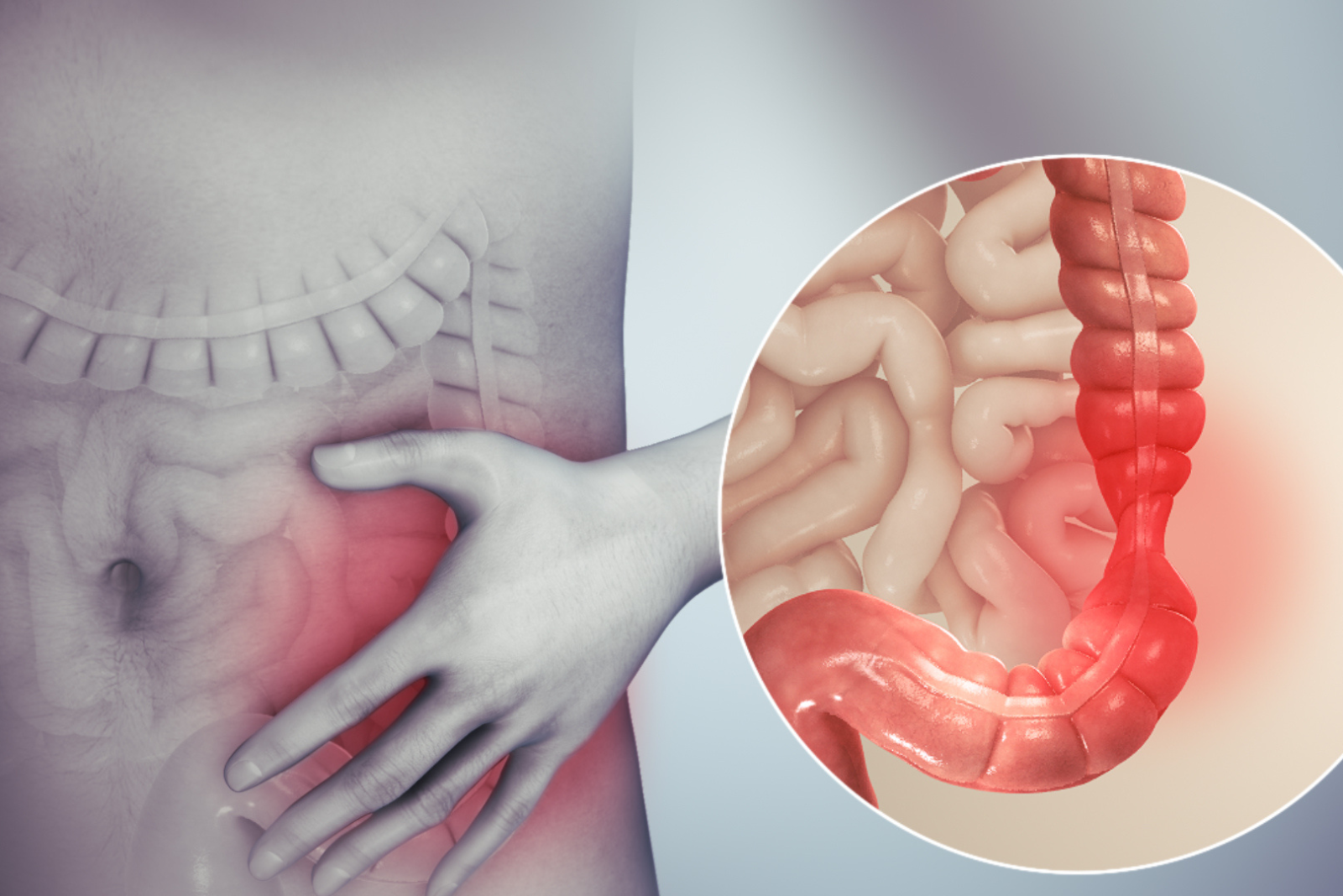
Irritable bowel syndrome is one of the most common and most frustrating digestive conditions in the world. Affecting up to 15–20% of adults, IBS creates a chronic pattern of abdominal pain, bloating, and altered bowel habits that disrupts work, social life, travel, and emotional well-being.
Yet because IBS is a functional disorder with no visible structural damage on tests it is frequently dismissed, mismanaged, or left undiagnosed for years. People with IBS are told to just manage their stress or given generic dietary advice that does not address their individual triggers.
At KIMS Advanced Gastroenterology & Endoscopy KAGE, at KIMS Hospitals Secunderabad, Hyderabad, our gastroenterologists and the dedicated Advanced Motility Clinic offer a comprehensive, evidence-based approach to IBS including advanced diagnostic testing, personalized dietary guidance, psychological support strategies, and the most effective medical treatments available. Whether you are in Secunderabad, Begumpet, Ameerpet, Himayatnagar, or anywhere across Hyderabad, you do not have to live with IBS unmanaged.
What Is IBS?
- IBS-C (Constipation-predominant): Hard, infrequent stools with straining and incomplete evacuation.
- IBS-D (Diarrhea-predominant): Loose, frequent stools often with urgency and associated anxiety.
- IBS-M (Mixed): Alternating constipation and diarrhea the most common subtype.
- IBS-U (Unclassified): Does not fit neatly into the above subtypes.
IBS is classified into subtypes based on predominant bowel pattern:
What Causes IBS?
IBS is not caused by a single factor it is a disorder of the gut-brain interaction, meaning that the communication between the brain and the gut is dysregulated. Multiple factors contribute:
- Visceral Hypersensitivity: The gut's nerve endings are abnormally sensitized normal gut movements or gas that most people do not feel are perceived as painful.
- Altered Gut Motility: The muscular contractions of the colon are dysregulated too fast (causing diarrhea) or too slow (causing constipation).
- Gut Microbiome Dysbiosis: An altered gut bacterial composition is strongly implicated in IBS emerging research suggests gut microbiome modulation as a treatment strategy.
- Post-Infectious IBS: IBS developing after a bout of gastroenteritis (bacterial, viral, or parasitic) common in India given the prevalence of food and waterborne infections in Hyderabad.
- Psychological Factors: Anxiety, depression, and chronic stress amplify gut sensitivity and motility changes. The gut-brain axis is a two-way communication system gut symptoms worsen mental health, and mental health affects gut function.
- Food Sensitivities: Specific foods particularly FODMAPs (fermentable carbohydrates) trigger IBS symptoms in many patients.
IBS Symptoms
- Recurrent abdominal pain or cramping often relieved by defecation
- Bloating and abdominal distension particularly after meals
- Altered bowel habits diarrhea, constipation, or alternating between both
- Urgency sudden, difficult-to-control urge to defecate
- Feeling of incomplete bowel emptying
- Mucus in stools
- Symptoms worsen with stress, anxiety, or certain foods
- Symptoms often improve after defecation
IBS symptoms overlap with more serious conditions including IBD, celiac disease, and colorectal cancer. Any rectal bleeding, unexplained weight loss, nocturnal symptoms, or symptom onset after age 50 should be investigated with colonoscopy at KAGE to rule out organic disease.
Diagnosing IBS at KAGE's Advanced Motility Clinic
IBS is a clinical diagnosis made by excluding other conditions not by confirming a positive finding. KAGE's diagnostic workup typically includes:
- Detailed symptom history pattern, duration, aggravating and relieving factors, diet diary
- Blood tests CBC, CRP, ESR, thyroid function, celiac antibodies (anti-tTG) to rule out IBD, celiac disease, and thyroid disorders
- Fecal calprotectin to distinguish IBS (normal) from IBD (elevated) a critical non-invasive differentiator
- Stool microscopy and culture to exclude infection, particularly giardia and other parasites common in Hyderabad
- Colonoscopy with biopsies performed when alarm features are present or IBD needs to be excluded
- High-Resolution Manometry assesses colon motility in refractory IBS or when a motility disorder is suspected
- Breath tests to detect Small Intestinal Bacterial Overgrowth (SIBO) and lactose/fructose intolerance at KAGE
IBS Treatment at KAGE, Hyderabad
Dietary Management — The Low-FODMAP Diet
The low-FODMAP diet is currently the most evidence-based dietary intervention for IBS reducing fermentable carbohydrates that trigger bloating and diarrhea in sensitive guts. In the Indian context, high-FODMAP foods include wheat (roti, bread), garlic, onion, certain lentils, lactose-containing dairy, and many fruits. KAGE's gastroenterologists and dietitians guide patients through a structured low-FODMAP elimination and reintroduction protocol tailored to Indian dietary preferences.
Lifestyle Modifications
- Regular moderate exercise reduces gut transit time and anxiety
- Stress management yoga, pranayama, mindfulness, cognitive behavioral therapy
- Regular meal times and portion control avoid large meals and prolonged fasting
- Adequate hydration particularly important for IBS-C
Medical Treatments
- Antispasmodics: Mebeverine, hyoscine, dicyclomine reduce gut spasm and abdominal cramping.
- Laxatives (for IBS-C): Osmotic laxatives (lactulose, PEG), soluble fibre supplements.
- Antidiarrheals (for IBS-D): Loperamide for acute urgency; bile acid sequestrants for post-cholecystectomy IBS-D.
- Low-dose Antidepressants: Tricyclic antidepressants (amitriptyline) and SSRIs reduce visceral hypersensitivity and improve gut-brain axis regulation.
- Rifaximin: A non-absorbable antibiotic effective for IBS-D and SIBO — reduces gut bacterial overgrowth driving symptoms.
- Probiotics: Specific probiotic strains have evidence for IBS symptom reduction your KAGE gastroenterologist will recommend evidence-based formulations.
Advanced Motility Clinic at KAGE
For refractory IBS particularly patients with significant motility dysfunction KAGE's dedicated Advanced Motility Clinic offers high-resolution manometry for detailed motility assessment, biofeedback therapy for IBS with defecatory dysfunction, and multidisciplinary management combining gastroenterology and psychological support.
Conclusion
Struggling with IBS? Get specialist care at KAGE's Advanced Motility Clinic, KIMS Hospitals Secunderabad. Call: +91-7288842255
Frequently Asked Questions
IBS is a chronic condition, but it is not progressive and does not cause permanent intestinal damage. Many patients experience significant improvement in symptoms — and some achieve long-term remission — with the right combination of dietary management, lifestyle changes, and medical treatment. The goal at KAGE is to get your IBS under control so that it no longer dominates your daily life, even if occasional symptom flares occur.
The low-FODMAP diet restricts Fermentable Oligosaccharides, Disaccharides, Monosaccharides, and Polyols types of carbohydrates that are poorly absorbed in the small intestine and rapidly fermented by gut bacteria, producing gas, bloating, and altered bowel habits. For IBS patients, reducing these foods dramatically reduces symptoms in approximately 70% of patients. In the Indian diet, common high-FODMAP foods include wheat, garlic, onion, certain dals, lactose-containing dairy, and mango. KAGE's team will guide you through an individualized FODMAP elimination and reintroduction protocol.
This is an important distinction. IBS and IBD share symptoms abdominal pain, diarrhea, bloating but are fundamentally different. IBD involves actual inflammation and tissue damage; IBS does not. Key differentiating features: rectal bleeding, significant weight loss, nocturnal symptoms, and fever suggest IBD rather than IBS. Fecal calprotectin available at KAGE is a reliable, non-invasive blood test (from stool) that distinguishes IBD (elevated) from IBS (normal). When in doubt, a colonoscopy with biopsies provides definitive answers.
Yes, stress is one of the most powerful triggers of IBS symptoms, and the scientific basis is well-established. The gut and brain are directly connected via the vagus nerve and the enteric nervous system (the gut's own nervous system). Psychological stress increases gut hypersensitivity, alters gut motility, and changes gut microbiome composition all of which directly worsen IBS. This is why treating the gut-brain axis through stress management, low-dose antidepressants, and psychological therapies is a core part of IBS management at KAGE.
KIMS Advanced Gastroenterology & Endoscopy KAGE is located at KIMS Hospitals, C/O Gastroenterology Dept, KIMS Hospitals, 1-8-31/1, Minister Road, Secunderabad, Hyderabad – 500003. The Advanced Motility Clinic for IBS management is available Monday to Saturday, 9:00 AM to 5:30 PM. To book a consultation, call +91-7288842255 or email appointments.kage@gmail.com. Our gastroenterologists offer comprehensive IBS evaluation including breath tests, calprotectin testing, dietary counselling, and personalized treatment planning.