
By Kage Team | 16 March 2026
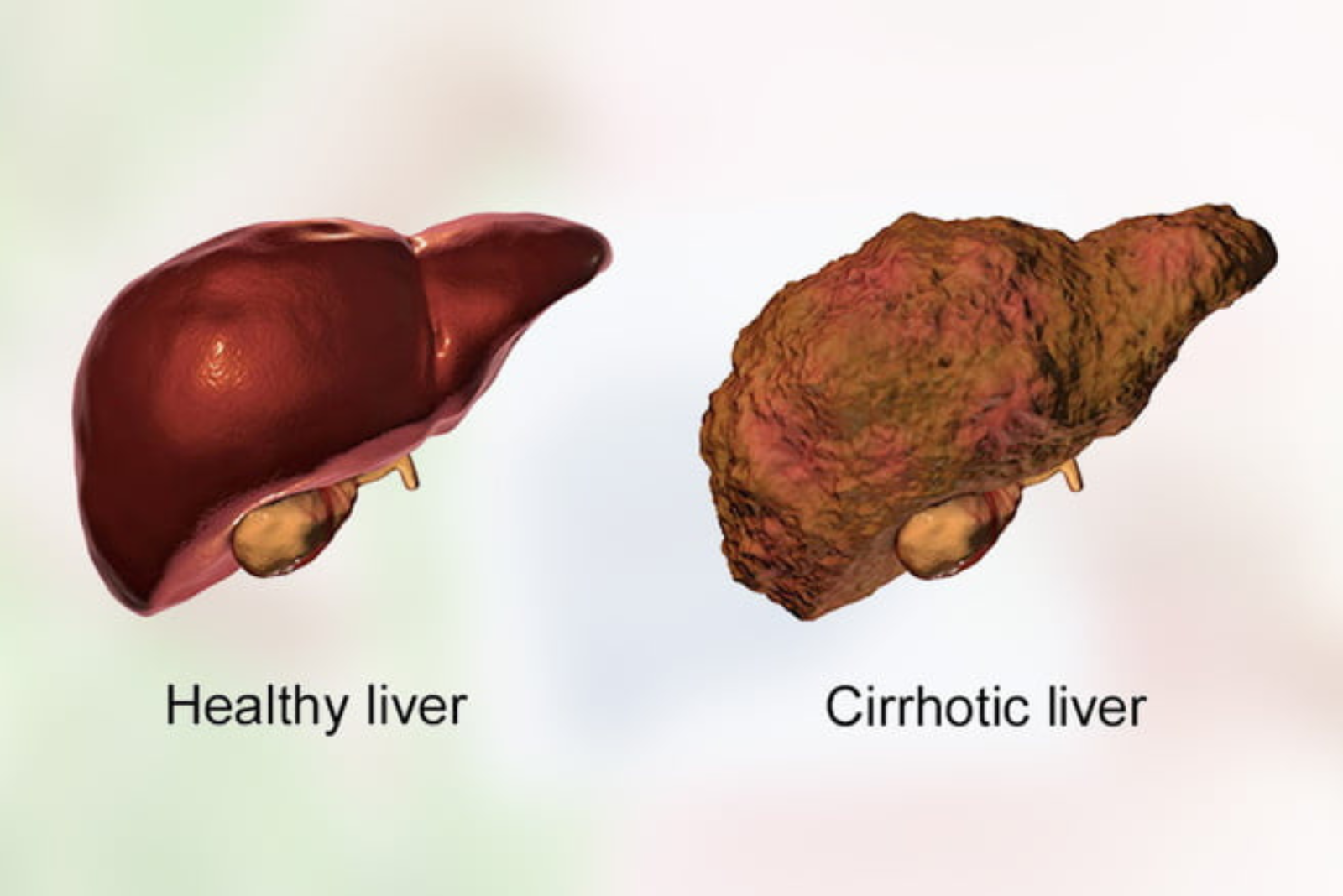
The liver is one of the human body's most resilient organs capable of remarkable self-repair and regeneration. But every organ has its limits. When the liver is subjected to prolonged, sustained injury from alcohol, chronic hepatitis infection, fatty liver disease, or other causes the damage eventually overwhelms its capacity to heal. The result is cirrhosis: the replacement of healthy liver tissue with permanent scar tissue that disrupts the liver's architecture and progressively impairs its function.
Cirrhosis is the end stage of many liver diseases and while it cannot be reversed once established, its progression can be halted, its complications can be managed, and quality of life can be preserved with the right specialist care.
At KIMS Advanced Gastroenterology & Endoscopy KAGE, at KIMS Hospitals Secunderabad, Hyderabad, our Advanced Liver Care and Transplant Clinic led by Dr. Sreekanth Appasani provides comprehensive, expert management of liver cirrhosis and its complications. Serving patients from Secunderabad, Begumpet, Ameerpet, Himayatnagar, and across Hyderabad.
What Is Liver Cirrhosis?
Liver cirrhosis is the final common pathway of chronic liver injury characterized by extensive fibrosis (scarring) and regenerative nodules that distort the liver's normal structure. This structural disruption impairs the liver's essential functions: blood filtration and detoxification, protein synthesis, bile production, clotting factor manufacture, and metabolism. As cirrhosis progresses, the liver's functional reserve diminishes until it can no longer sustain the body's needs leading to liver failure.Cirrhosis exists on a clinical spectrum from compensated (no symptoms, liver still coping) to decompensated (life-threatening complications present). The transition from compensated to decompensated cirrhosis is a critical clinical milestone that demands urgent specialist management.
Causes of Liver Cirrhosis
Major Causes in India
- Chronic hepatitis B and C infection: The most common cause of liver cirrhosis worldwide and in India. Chronic viral hepatitis causes ongoing liver inflammation and progressive fibrosis.
- Alcohol-related liver disease: Chronic heavy alcohol consumption causes alcoholic hepatitis, fatty liver, and ultimately cirrhosis. KAGE's dedicated Alcohol Clinic provides specialized management.
- Non-Alcoholic Steatohepatitis (NASH): The inflammatory form of fatty liver disease an increasingly common cause of cirrhosis in India's urban population, driven by the diabetes and obesity epidemic.
- Autoimmune Hepatitis: The immune system attacks liver cells responds well to immunosuppressive therapy when diagnosed early.
- Primary Biliary Cholangitis (PBC) and Primary Sclerosing Cholangitis (PSC): Autoimmune bile duct diseases causing progressive biliary cirrhosis.
- Wilson's Disease and Hemochromatosis: Genetic disorders causing copper or iron overload in the liver treatable when identified early.
Liver Cirrhosis Symptoms
Compensated Cirrhosis Often Silent
In compensated cirrhosis, many patients have no symptoms and are diagnosed incidentally on ultrasound or blood tests. Some may notice mild fatigue, loss of appetite, or mild discomfort over the right upper abdomen.
Decompensated Cirrhosis Life-Threatening Complications
- Ascites: Fluid accumulation in the abdomen the most common complication of cirrhosis. Causes abdominal distension, discomfort, and breathlessness.
- Spontaneous Bacterial Peritonitis (SBP): Life-threatening infection of ascitic fluid presents with fever, abdominal pain, and confusion.
- Variceal Bleeding: Enlarged veins (varices) in the esophagus or stomach rupture causing severe vomiting of blood or passage of black tarry stools (melena). A medical emergency.
- Hepatic Encephalopathy: Accumulation of ammonia and other toxins in the blood causes confusion, disorientation, altered sleep, and in severe cases, coma.
- Jaundice: Yellowing of skin and eyes from impaired bilirubin metabolism.
- Hepatorenal Syndrome: Kidney failure triggered by advanced cirrhosis a very serious complication.
- Hepatocellular Carcinoma (HCC): Liver cancer cirrhosis is the single most important risk factor for HCC, making 6-monthly ultrasound and AFP screening essential.
Vomiting blood, black tarry stools, or sudden confusion in a patient with known liver disease is a medical emergency. Go to KIMS Hospitals, Secunderabad immediately.
Diagnosing and Staging Liver Cirrhosis at KAGE
- Liver Function Tests (LFTs) and Coagulation Profile: Assesses liver synthetic function albumin, bilirubin, INR.
- FibroScan: KAGE's non-invasive liver stiffness measurement the most accurate non-biopsy test for detecting and staging fibrosis/cirrhosis.
- Ultrasound Abdomen with Doppler: Assesses liver texture, size, presence of ascites, portal hypertension, and hepatocellular carcinoma.
- Upper GI Endoscopy: Essential for cirrhosis patients to detect and grade esophageal and gastric varices requiring prophylactic treatment.
- Child-Pugh and MELD Scores: Clinical scoring systems used to assess cirrhosis severity and prognosis guide management decisions including transplant eligibility.
- Liver Biopsy: Used when the cause of cirrhosis is uncertain or when precise histological staging is needed.
Managing Liver Cirrhosis at KAGE's Advanced Liver Care Clinic
Treating the Underlying Cause
- Antiviral therapy (direct-acting antivirals — DAAs) for hepatitis achieving >95% cure rates; eliminating the cause of cirrhosis
- Antiviral therapy (tenofovir or entecavir) for chronic hepatitis B
- Strict alcohol abstinence for alcoholic cirrhosis KAGE's Alcohol Clinic provides structured support
- Weight loss and diabetes management for NASH cirrhosis
- Immunosuppression for autoimmune hepatitis
Managing Complications at KAGE
- Endoscopic Variceal Band Ligation: KAGE's most common and critical intervention for variceal bleeding rubber bands are placed on enlarged esophageal varices to obliterate them, preventing rupture.
- TIPS (Transjugular Intrahepatic Portosystemic Shunt): For refractory ascites and variceal bleeding in collaboration with interventional radiology at KIMS Hospitals.
- Paracentesis: Drainage of ascites performed regularly for symptomatic relief.
- Rifaximin and Lactulose: For hepatic encephalopathy reduces ammonia production and promotes its excretion.
- Liver Transplant Evaluation: For end-stage cirrhosis KAGE's Advanced Liver Care Clinic coordinates transplant evaluation and referral.
Conclusion
Concerned about liver cirrhosis or liver disease? Get expert hepatology care at KAGE Advanced Liver Care Clinic, KIMS Hospitals Secunderabad. Call: +91-7288842255
Frequently Asked Questions
Established cirrhosis where scar tissue has replaced healthy liver cells cannot currently be reversed. However, treating the underlying cause (curing hepatitis C with DAAs, stopping alcohol, managing NASH) can halt progression, allow some degree of liver regeneration in early-stage cirrhosis, prevent new complications, and significantly extend life expectancy. This is why early identification and cause-directed treatment is so critically important.
Esophageal varices are enlarged, dilated veins in the esophagus that develop as a consequence of portal hypertension increased blood pressure in the portal vein due to scarred liver tissue obstructing blood flow. These varices are thin-walled and under high pressure, making them prone to rupture and catastrophic bleeding. Variceal bleeding is the most life-threatening complication of cirrhosis. Regular endoscopic surveillance and prophylactic band ligation at KAGE prevents rupture.
FibroScan is a non-invasive test at KAGE, KIMS Hospitals Secunderabad, that measures liver stiffness using painless ultrasound pulses correlating with fibrosis stage. It also measures the liver's fat content (CAP score). FibroScan can accurately stage liver fibrosis without a biopsy, in less than 10 minutes, as an outpatient procedure. It is the tool of choice for monitoring cirrhosis patients' disease progression over time.
Cirrhosis patients require regular, structured monitoring: liver function tests and INR every 3–6 months; ultrasound abdomen and serum AFP every 6 months (for hepatocellular carcinoma surveillance); upper GI endoscopy every 1–3 years (or annually if varices are present); FibroScan every 1–2 years. The exact schedule is personalized by your KAGE hepatologist based on cirrhosis severity and underlying cause.Cirrhosis patients require regular, structured monitoring: liver function tests and INR every 3–6 months; ultrasound abdomen and serum AFP every 6 months (for hepatocellular carcinoma surveillance); upper GI endoscopy every 1–3 years (or annually if varices are present); FibroScan every 1–2 years. The exact schedule is personalized by your KAGE hepatologist based on cirrhosis severity and underlying cause.
Yes, KAGE's Advanced Liver Care and Transplant Clinic coordinates liver transplant evaluation for patients with end-stage liver disease (decompensated cirrhosis, high MELD score, or hepatocellular carcinoma within transplant criteria). The team including Dr. Sreekanth Appasani works closely with KIMS Hospitals' transplant surgery colleagues to ensure seamless care. For transplant-related consultations, call +91-7288842255 or email appointments.kage@gmail.com.